🔆Art, Artifacts & Images of the One Light🔆











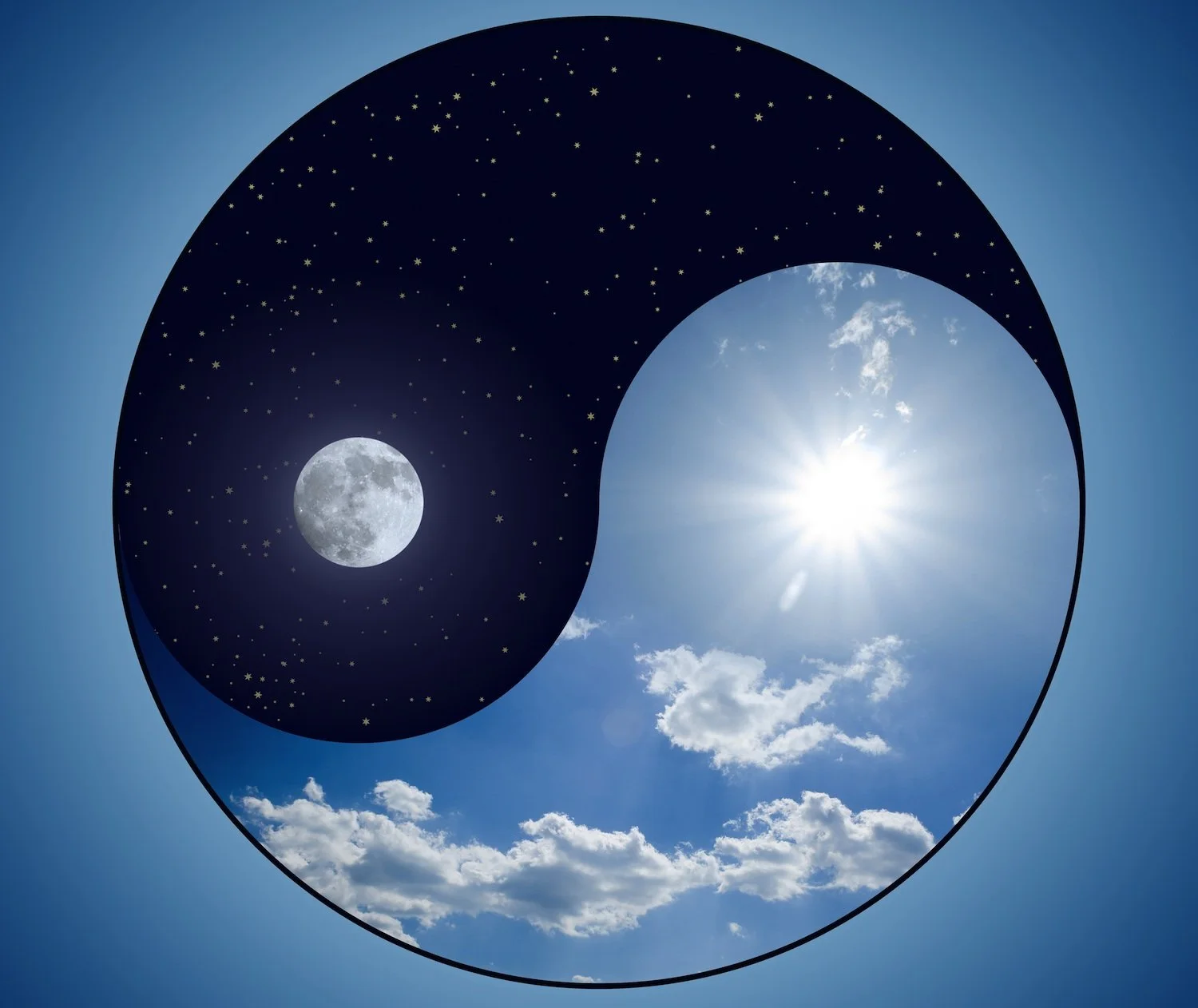

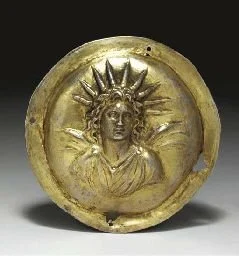


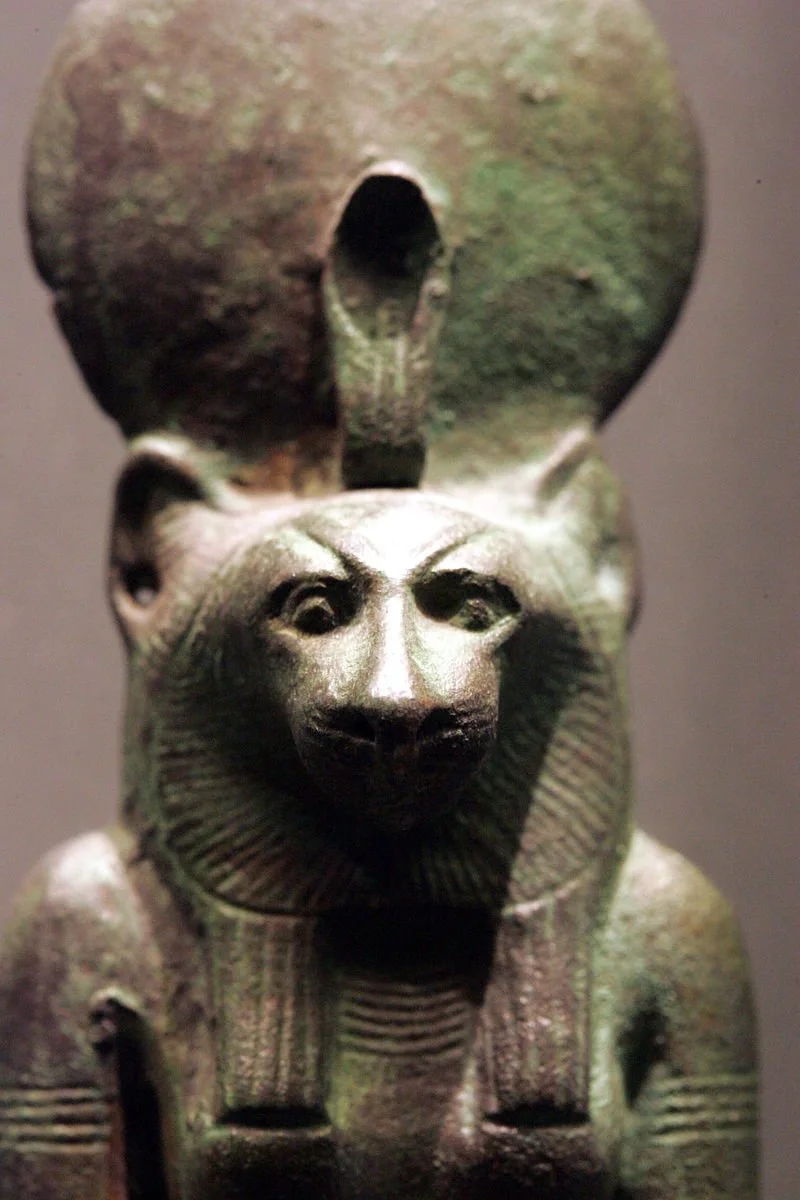
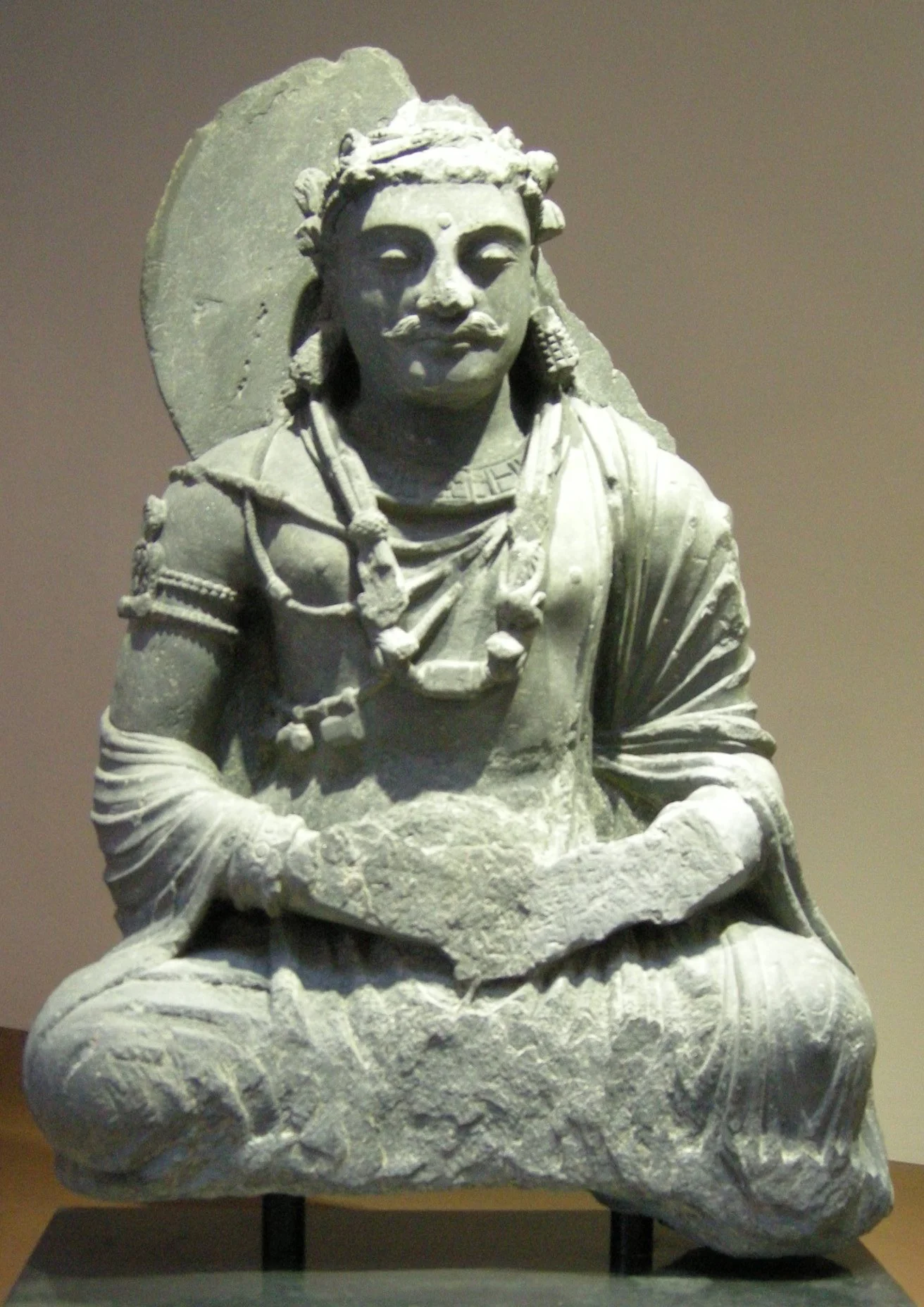
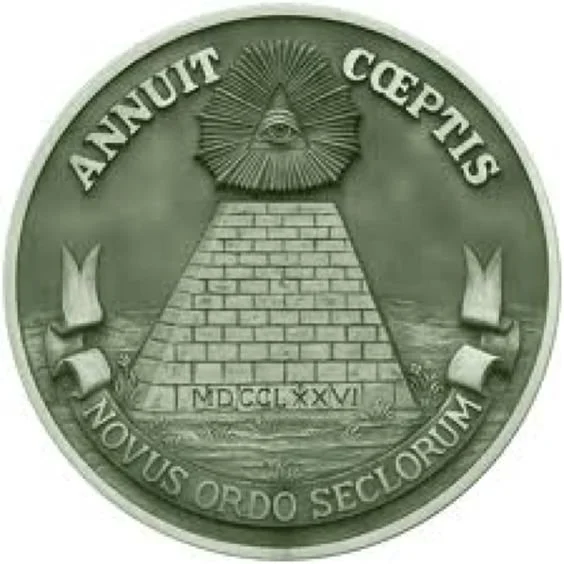
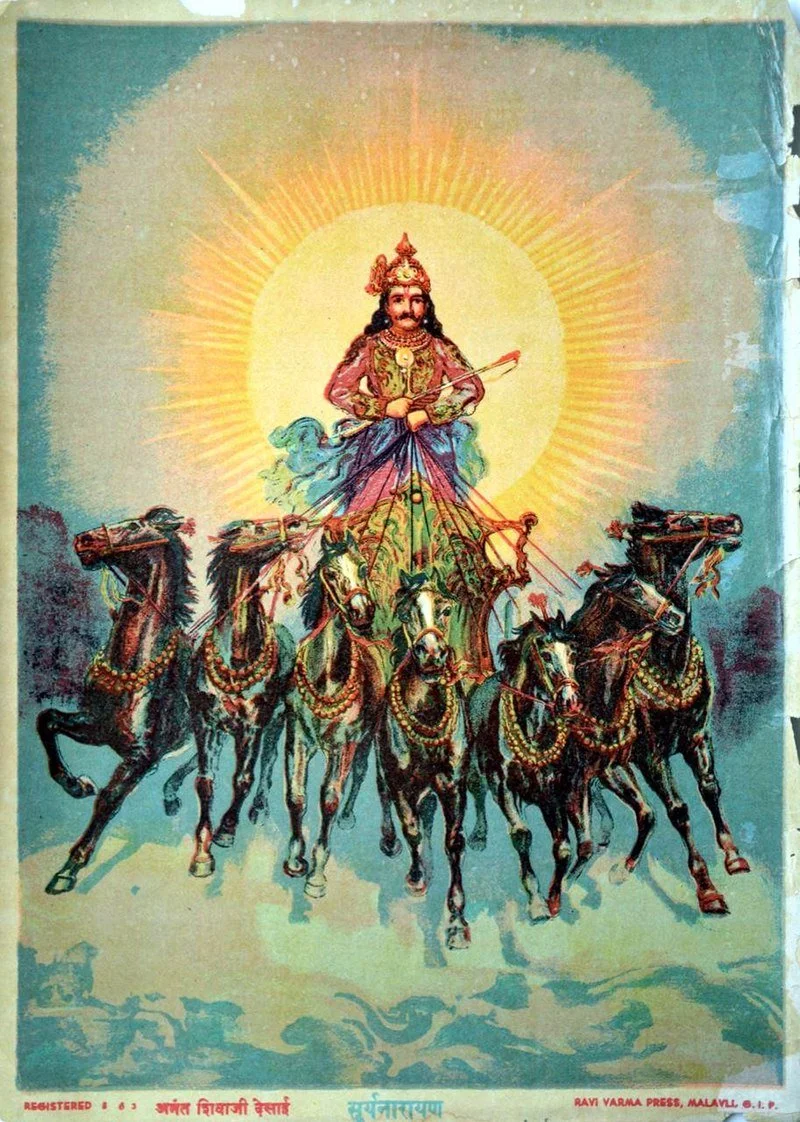
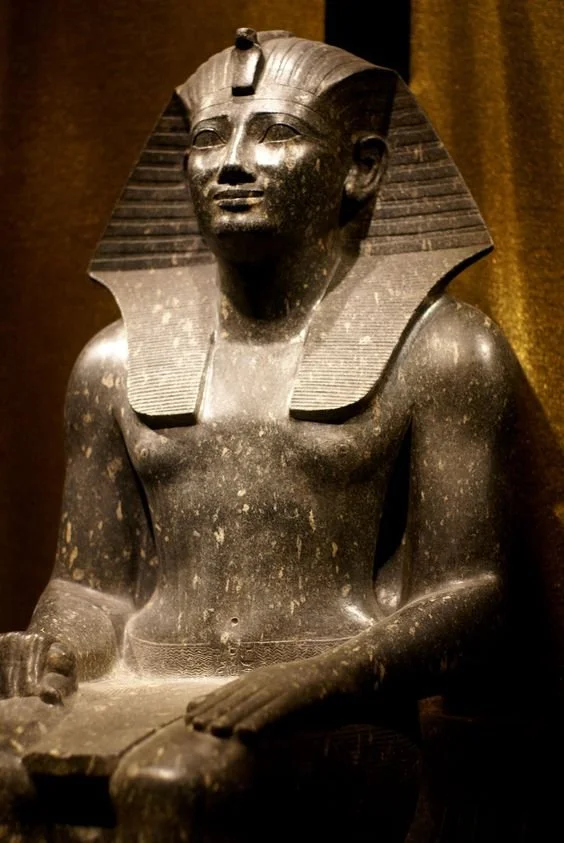



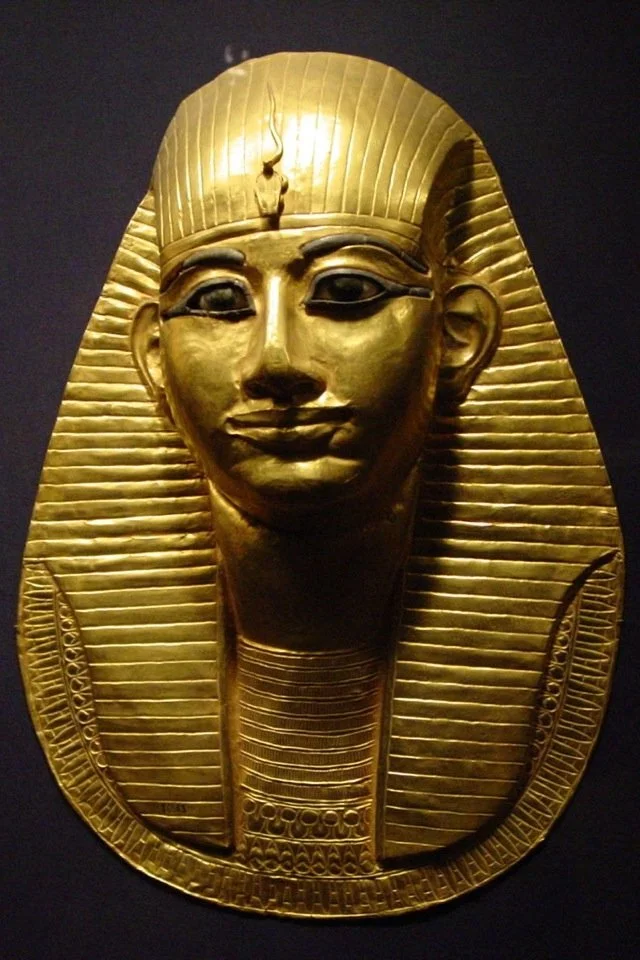
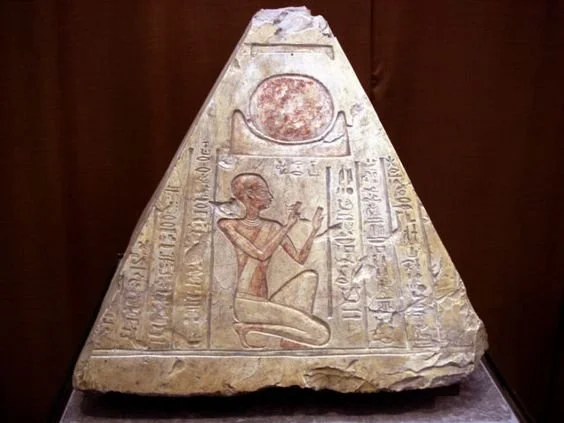

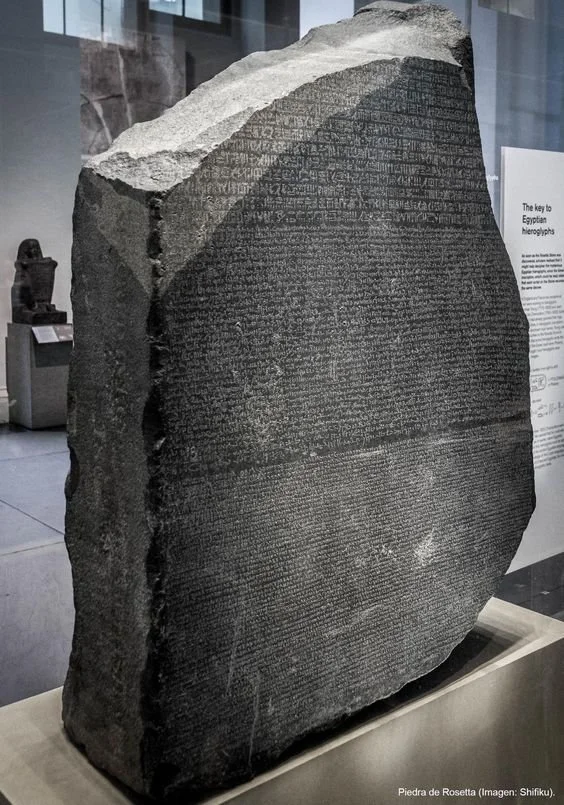

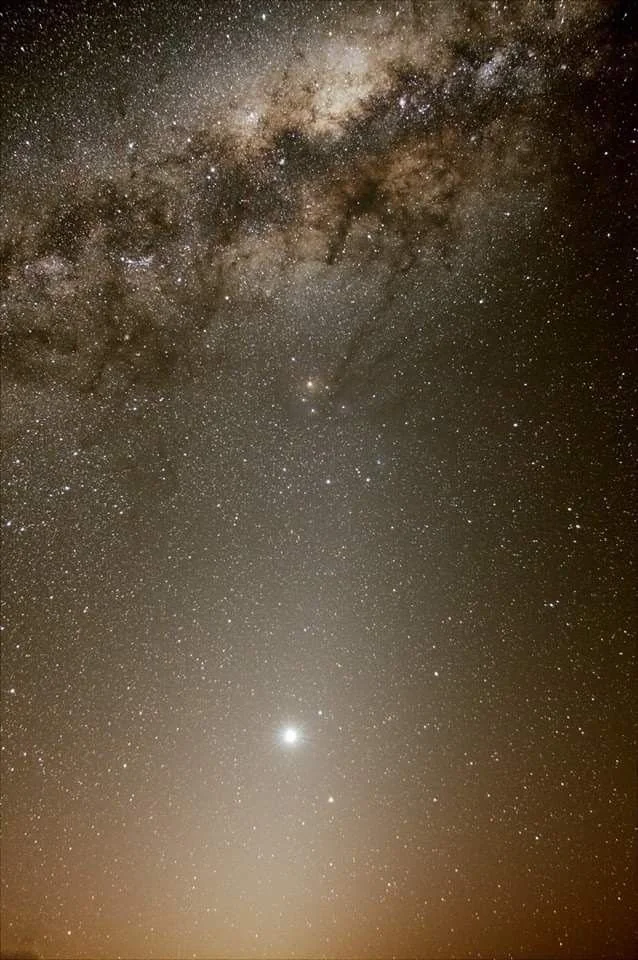










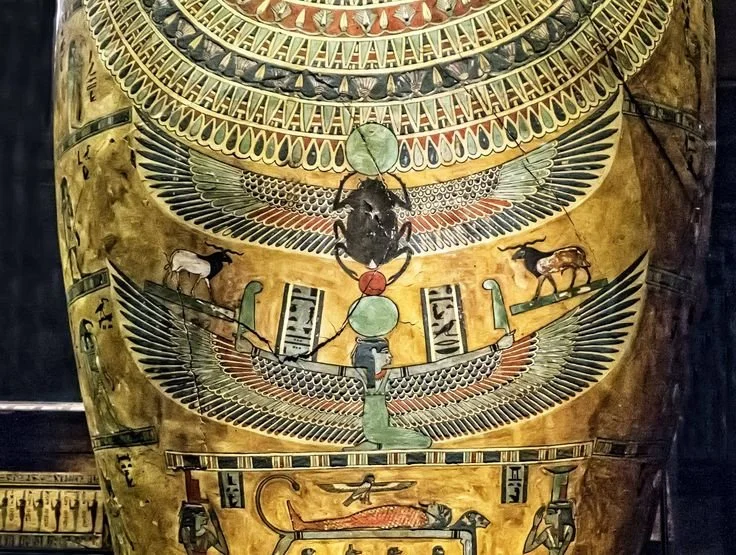

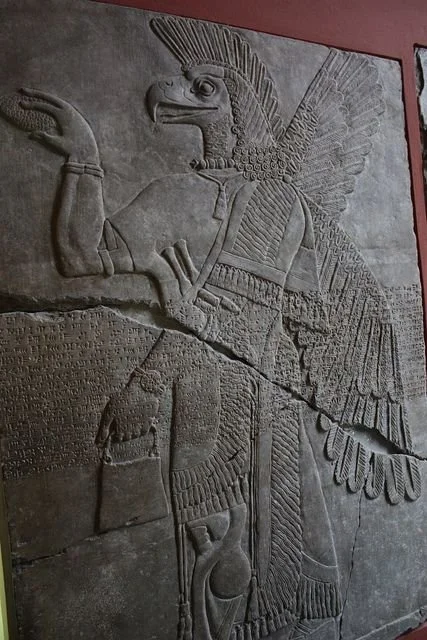


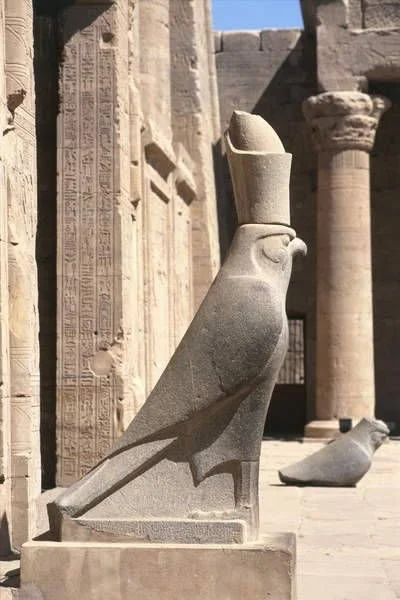
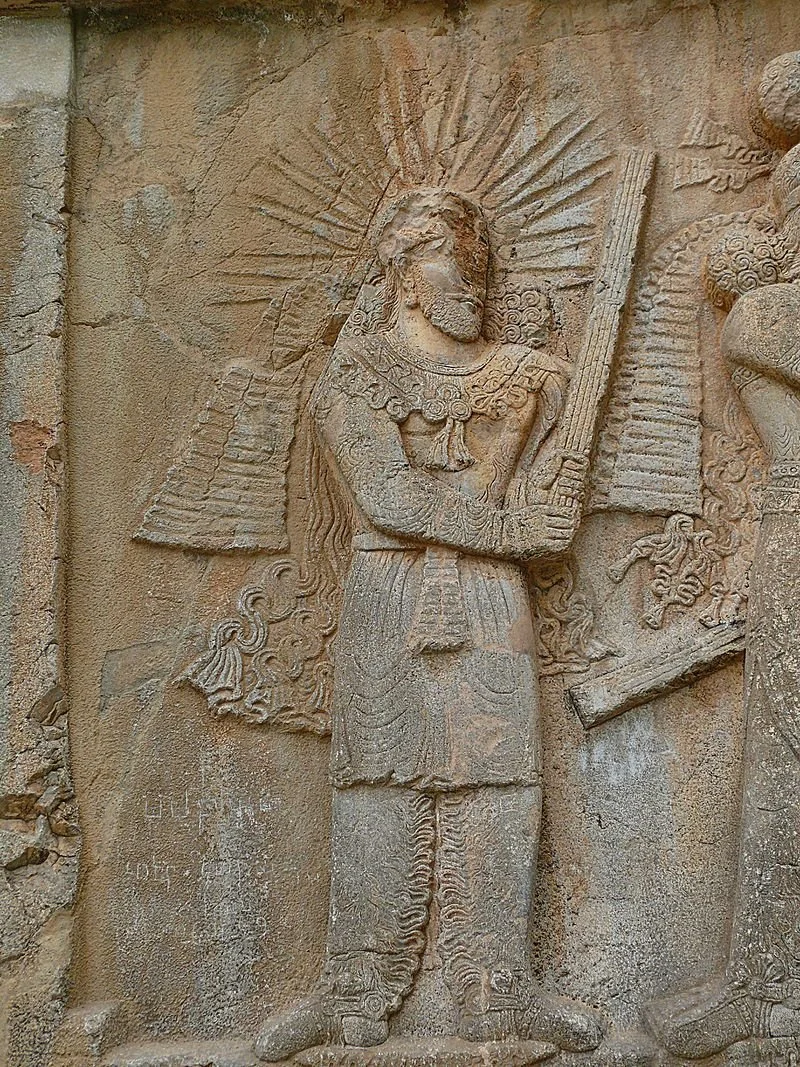




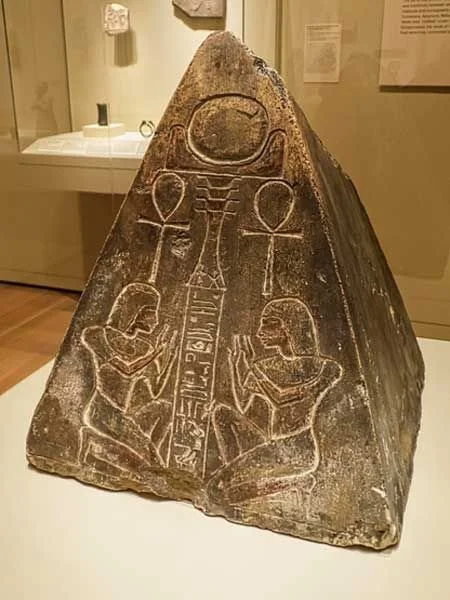











The Modern Corruption of Solar Symbolism
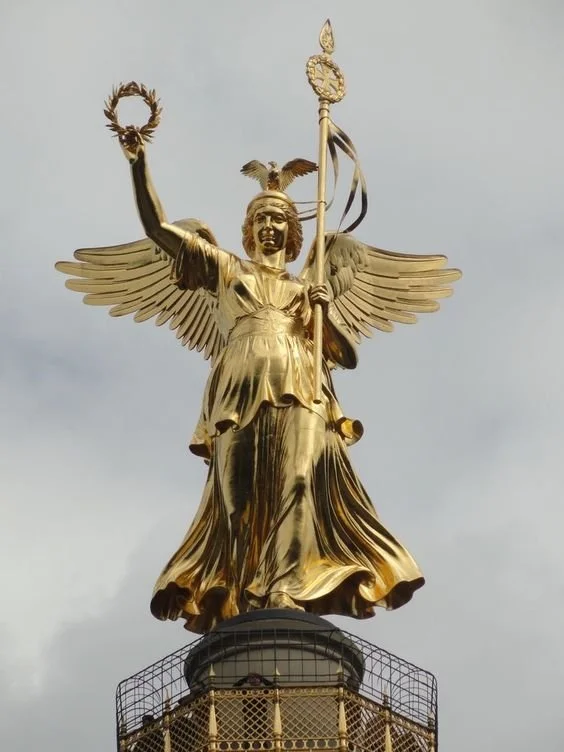
Throughout human history, few symbols have possessed the universal power, recognition, and psychological resonance of the Sun. Long before nations existed, before corporations, before organized religions, before written language itself, humanity looked upward and witnessed the same reality:
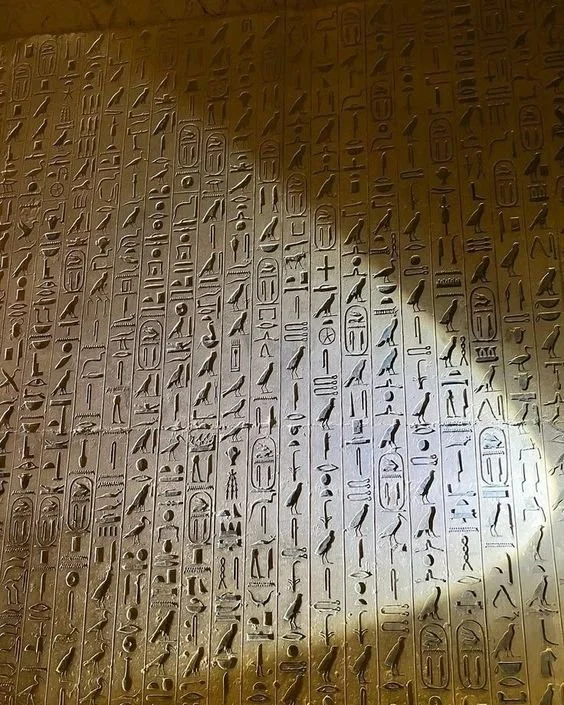
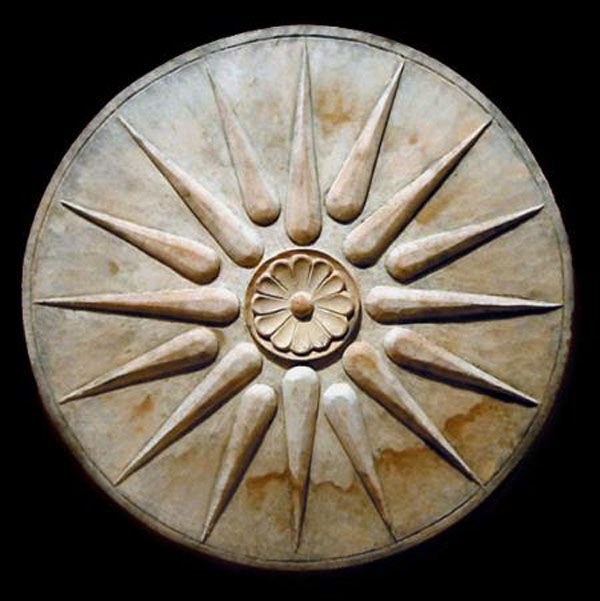
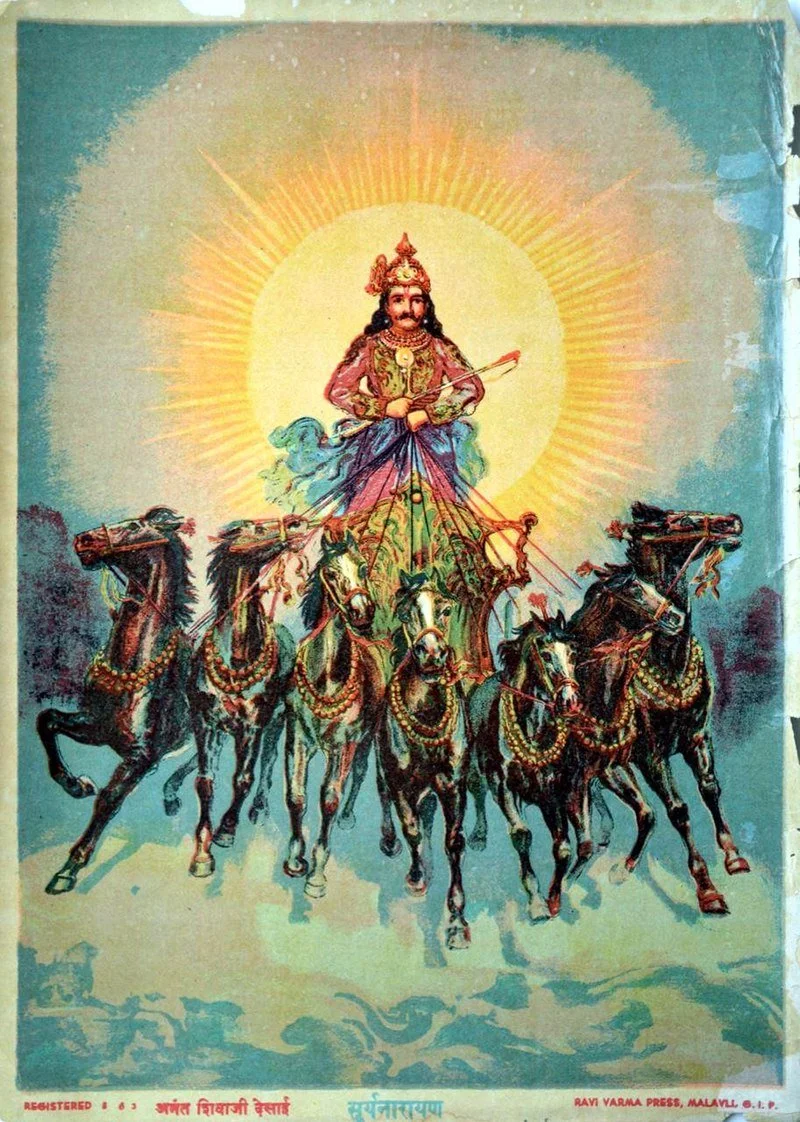
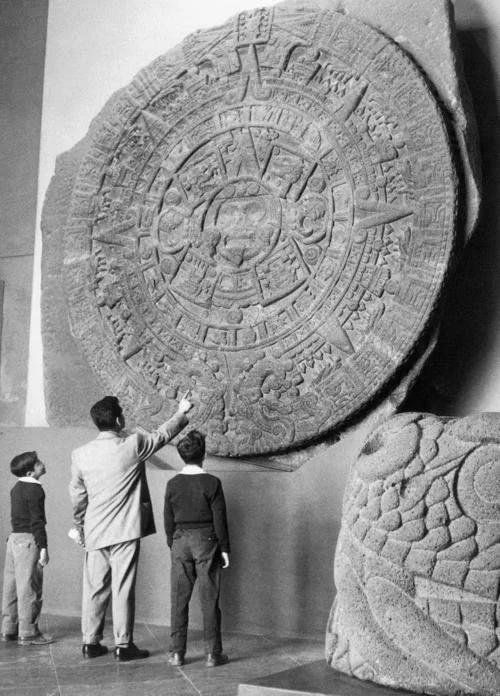
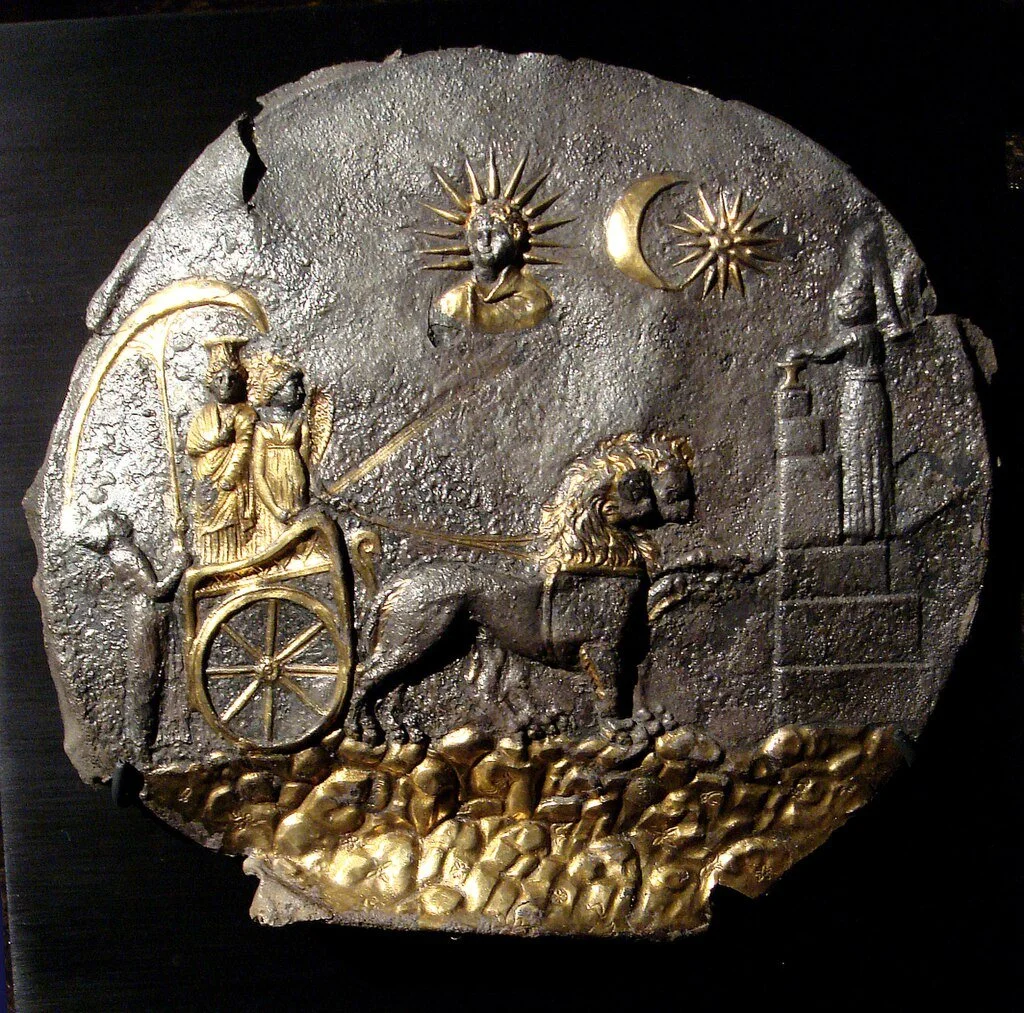
The Sun brought light. The Sun brought warmth. The Sun brought growth. The Sun brought life. Every civilization eventually recognized this fact. From ancient Egypt, Mesopotamia, India, China, Greece, Rome, Mesoamerica, Polynesia, Africa, and Indigenous cultures throughout the world, solar symbolism emerged independently again and again.
This is not accidental. The Sun is the most obvious and universally shared reality in human experience. No culture had to be taught the Sun. No prophet had to reveal the Sun. No scripture had to explain the Sun. It appears every day. Its effects can be measured. Its benefits can be observed. Its reliability can be tested. For this reason, solar symbolism became humanity's most successful symbol.
Why the Human Mind Trusts Solar Symbols
Modern psychology provides insight into why solar imagery remains so powerful.
The Sun naturally evokes:
Life
Safety
Growth
Clarity
Warmth
Truth
Reliability
Stability
Hope
Renewal
These associations are deeply rooted in human biology.
Sunlight regulates:
Circadian rhythms
Hormonal cycles
Mood
Sleep
Alertness
Cognitive performance
Agricultural productivity
Without sunlight, civilizations collapse. Without sunlight, ecosystems fail. Without sunlight, human life disappears. The human brain therefore evolved to associate light with positive outcomes. This makes solar symbolism extraordinarily persuasive.
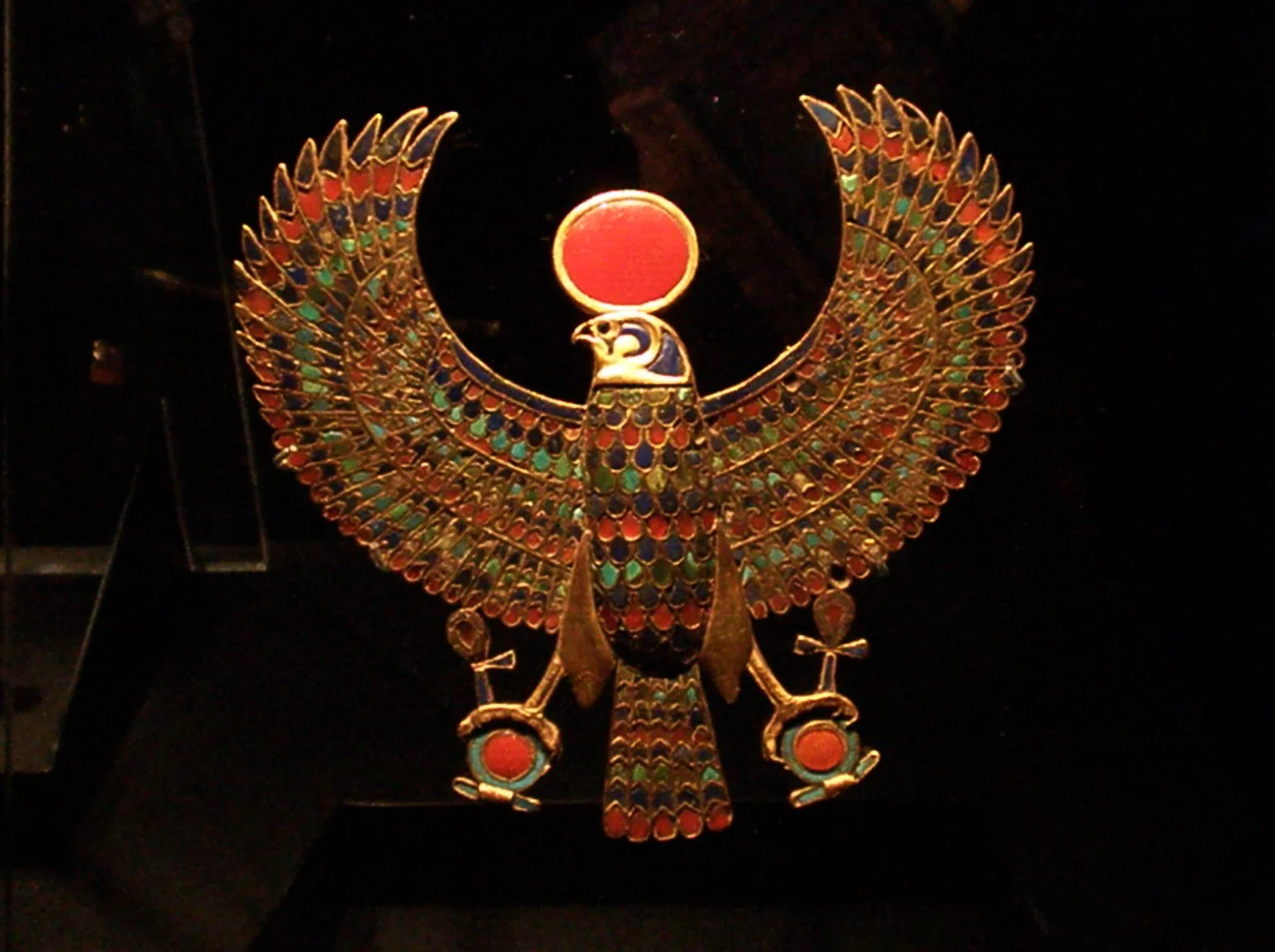
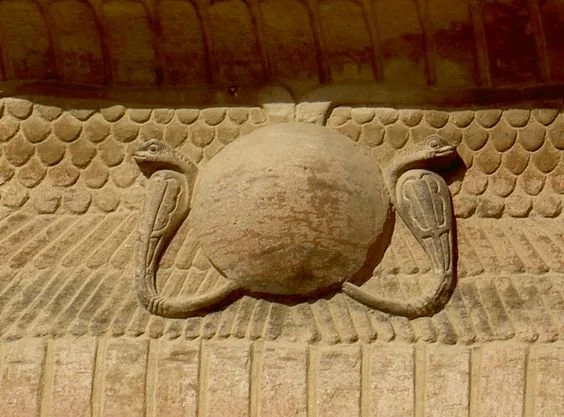
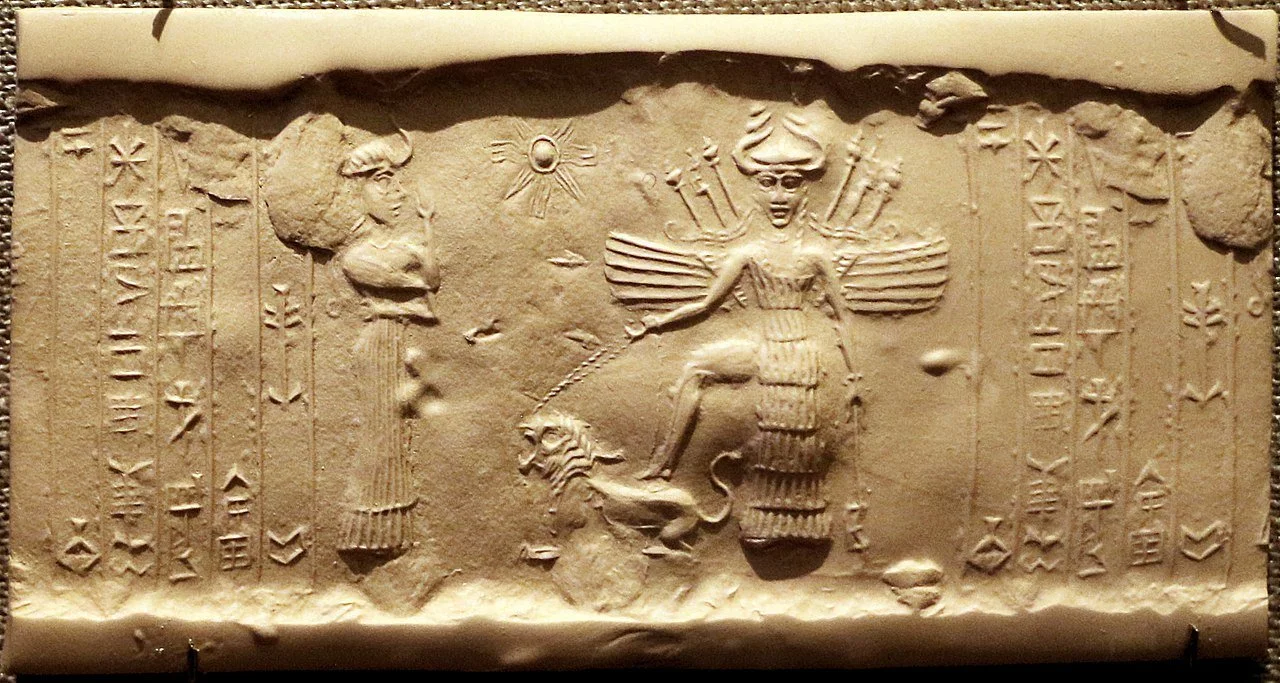
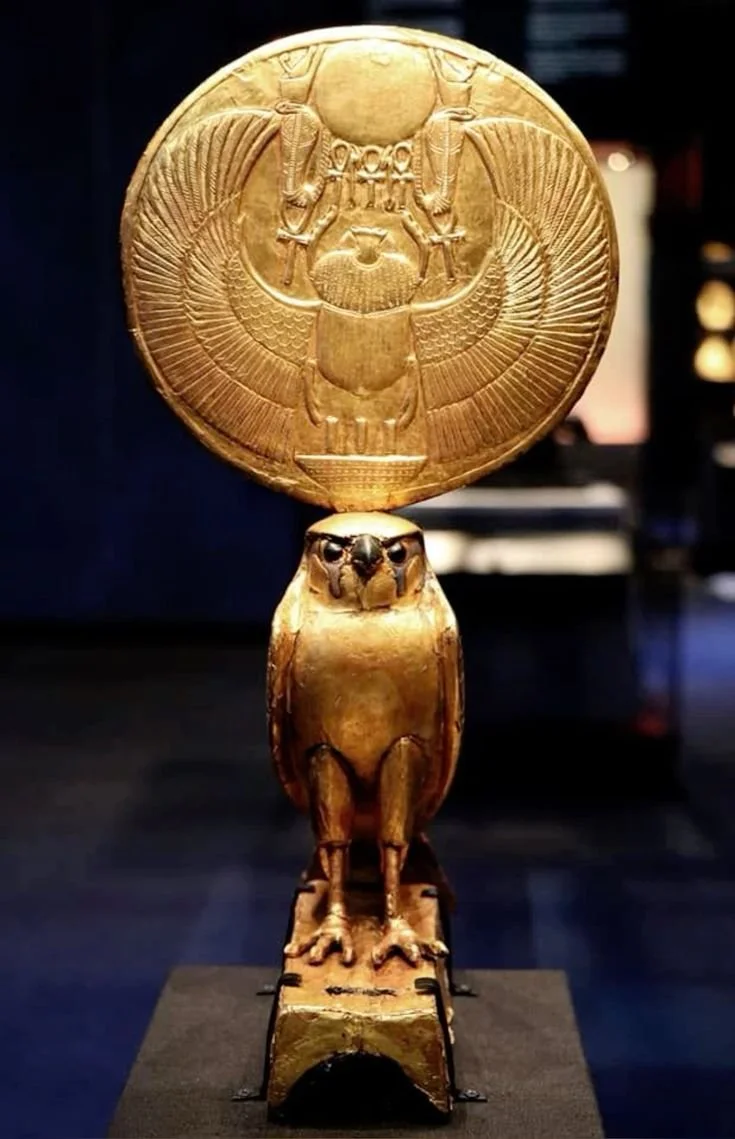
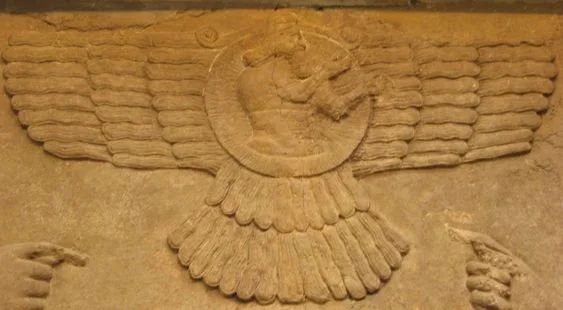
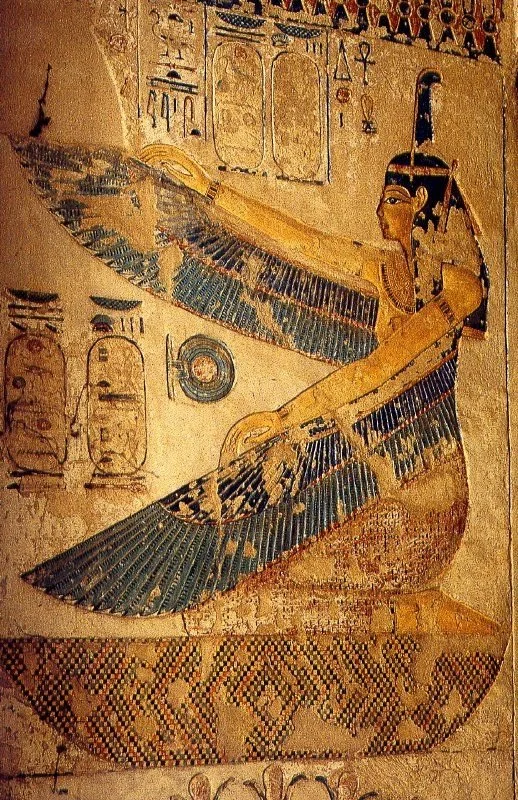
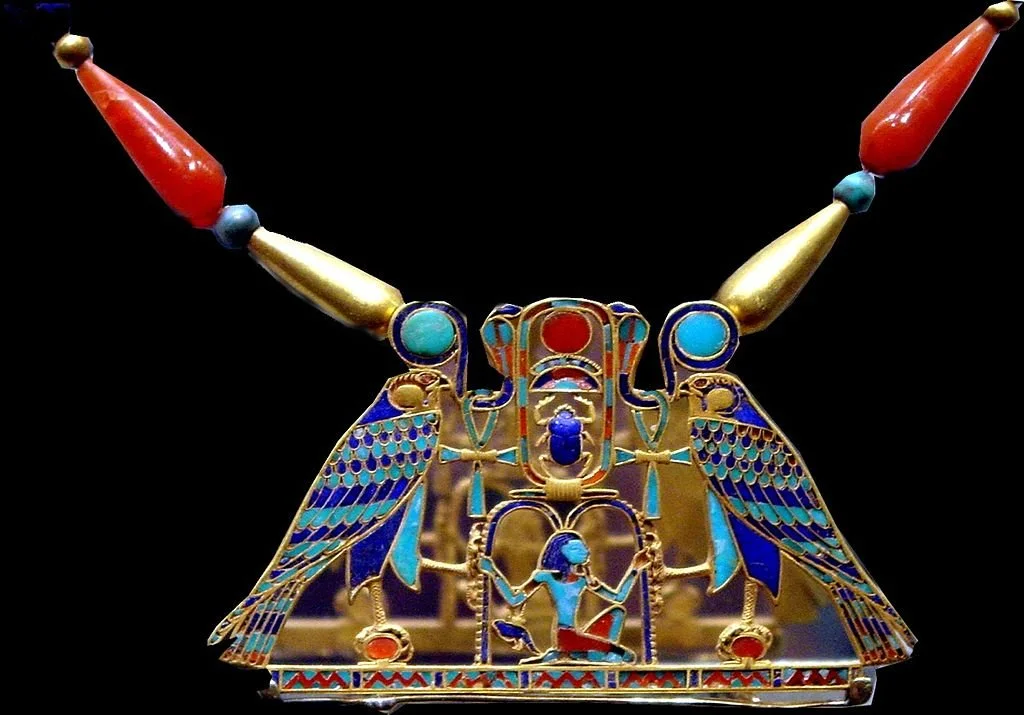
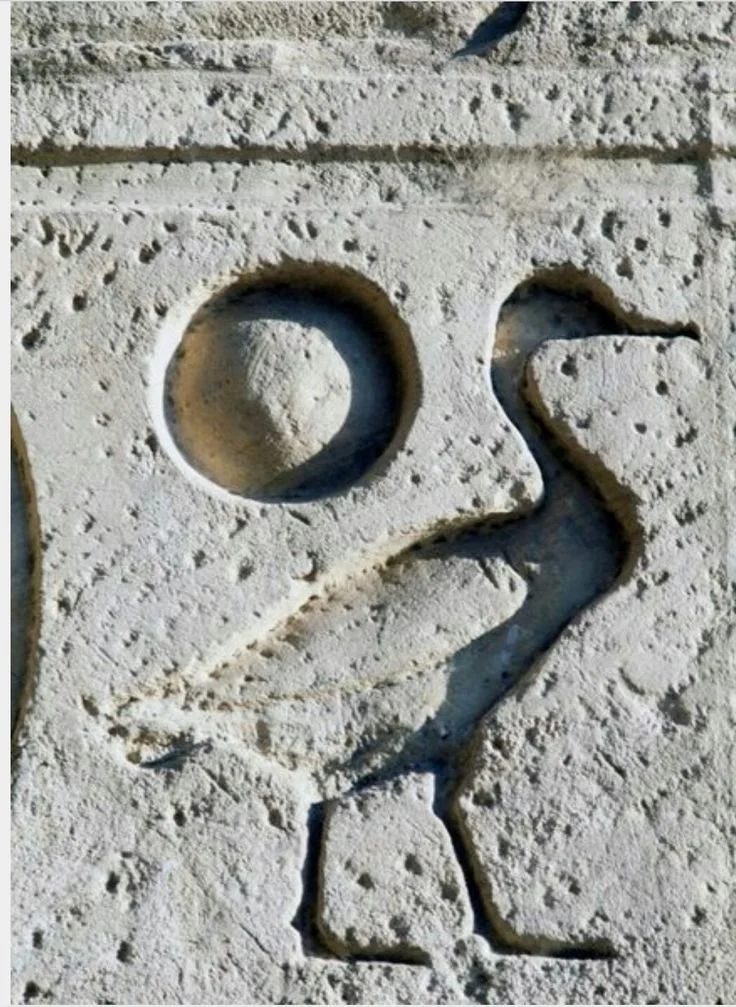
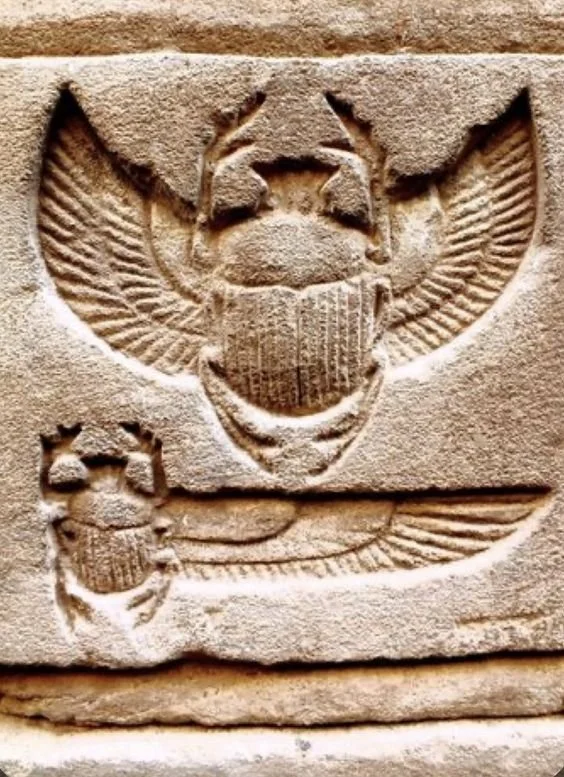
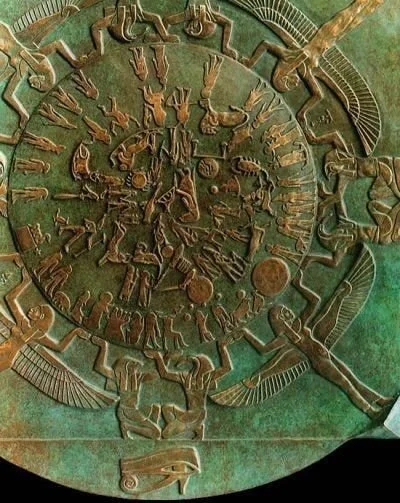
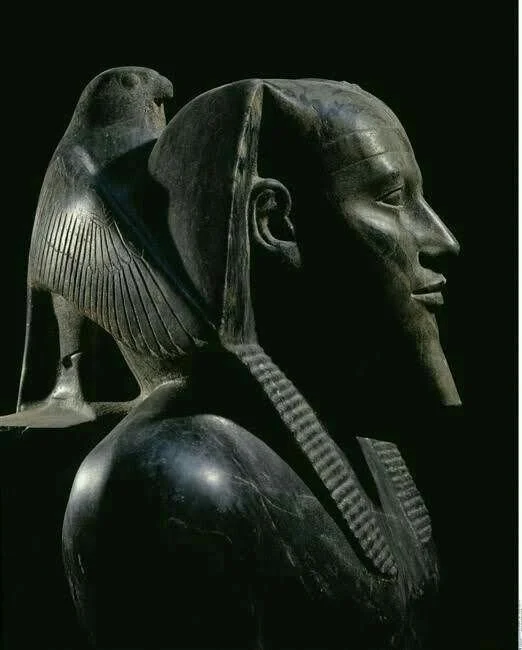
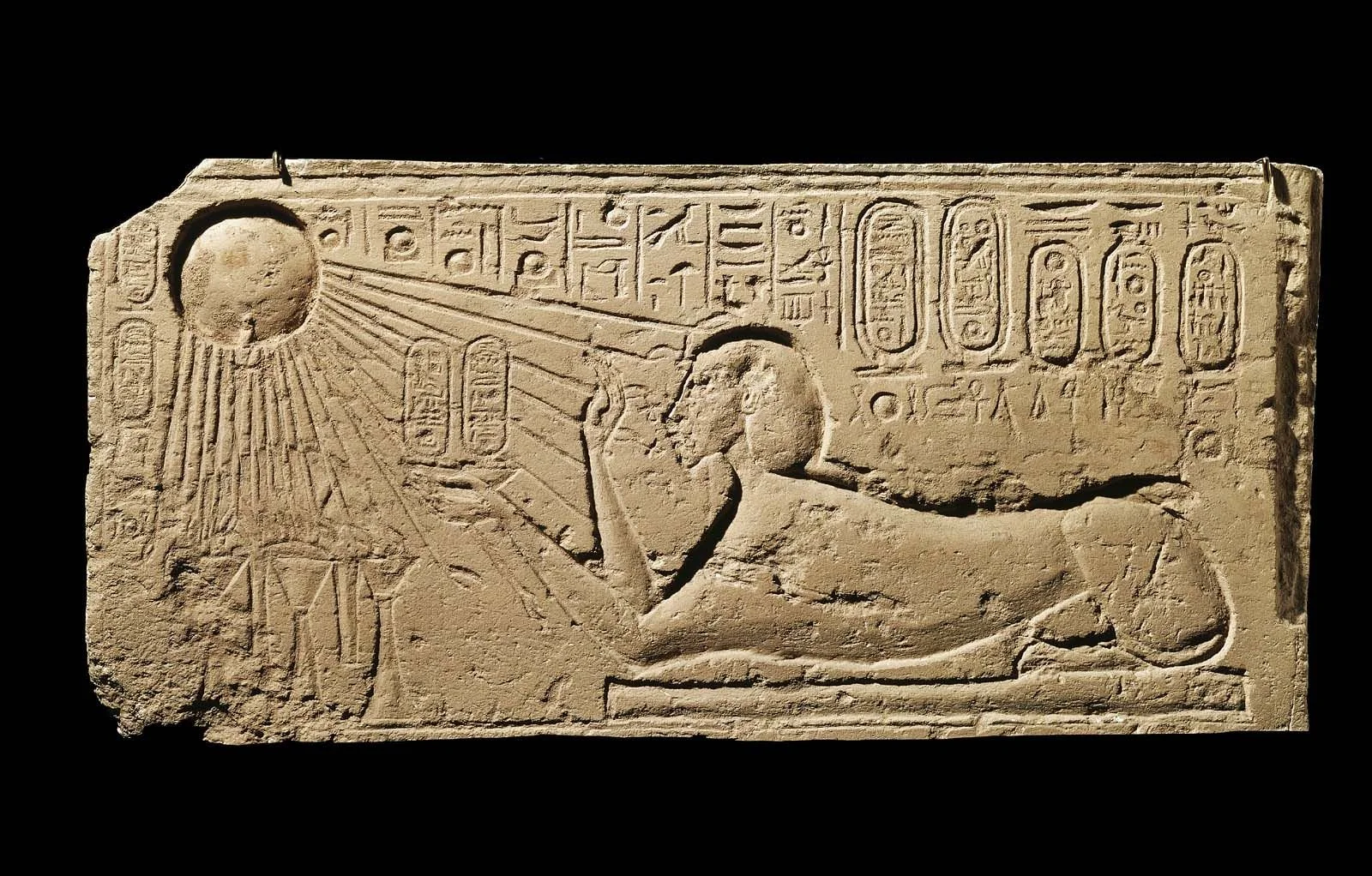
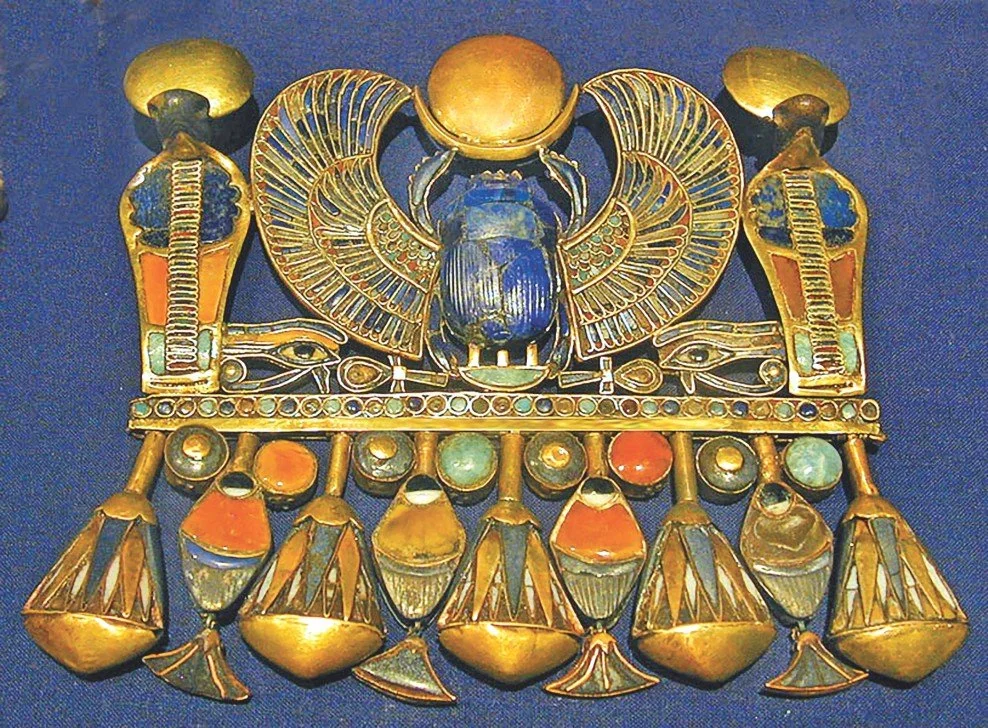
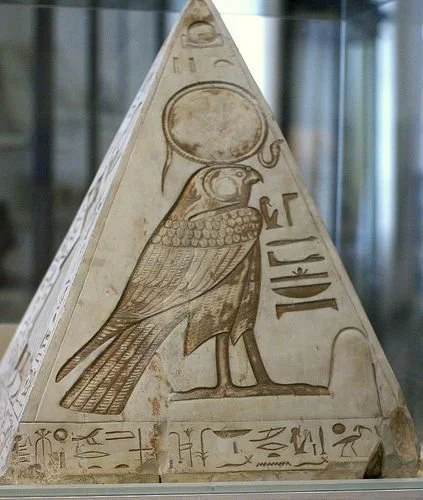
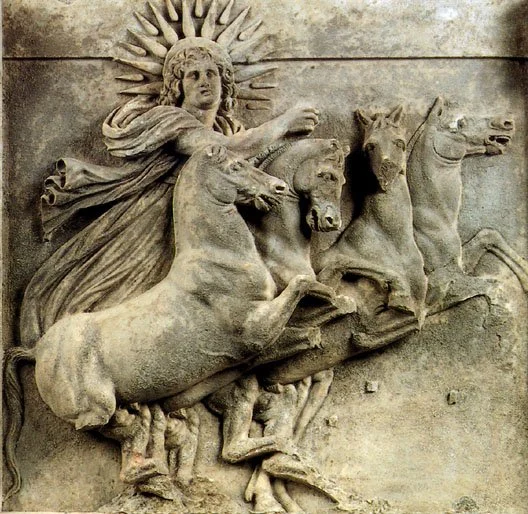
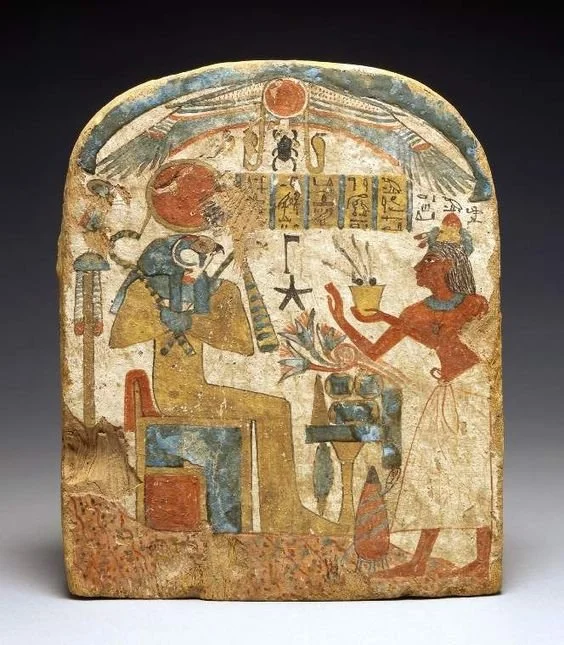
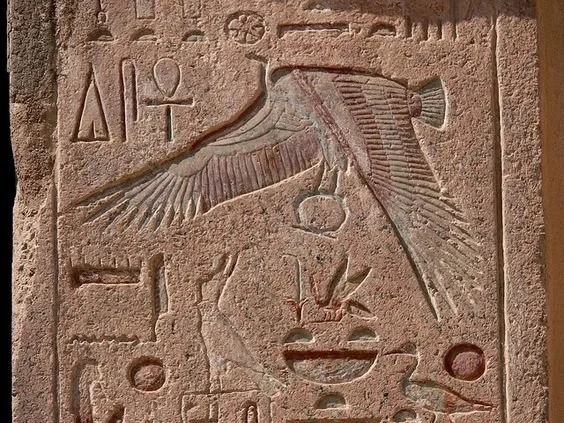
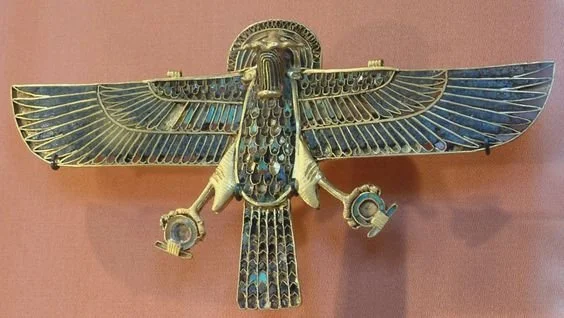
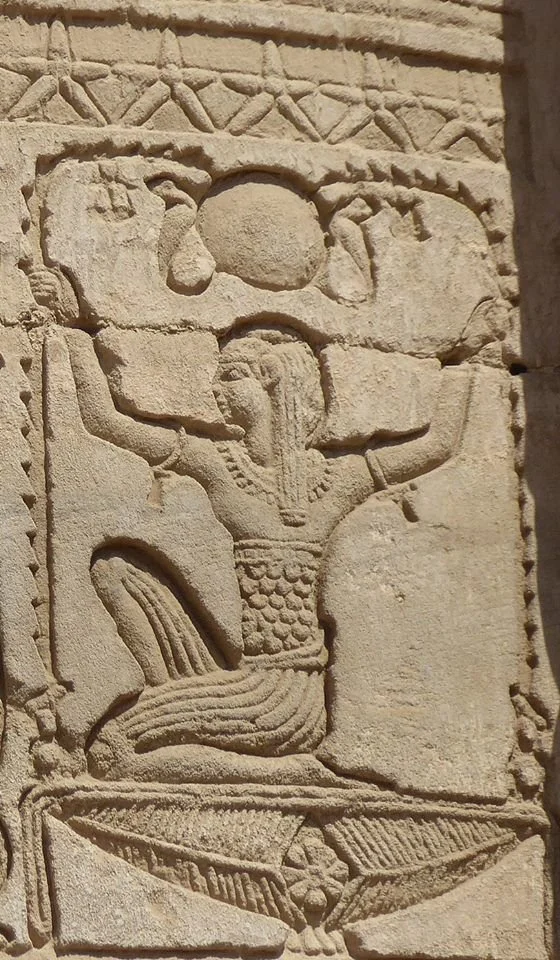
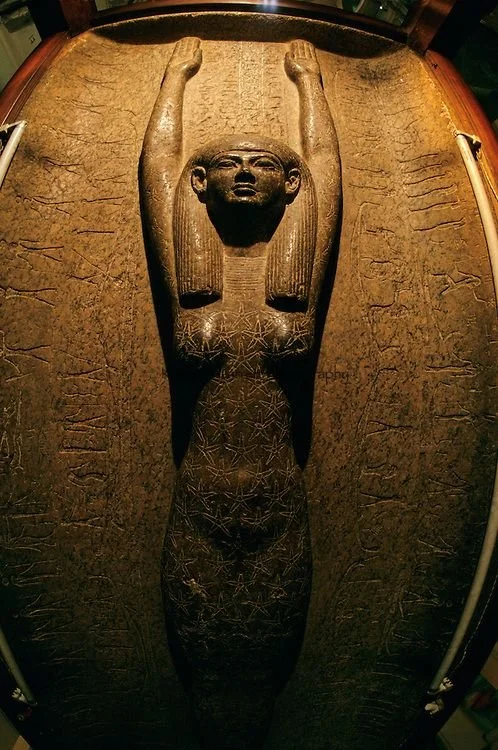
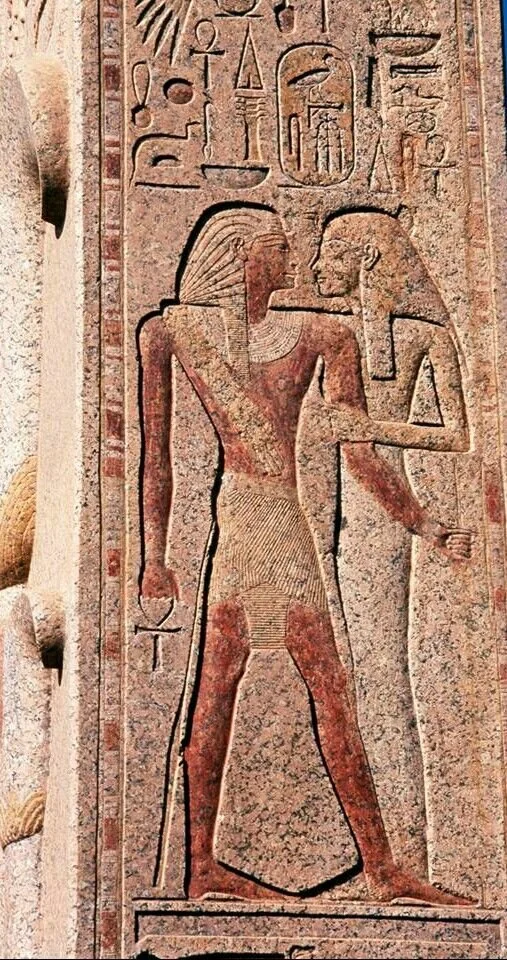
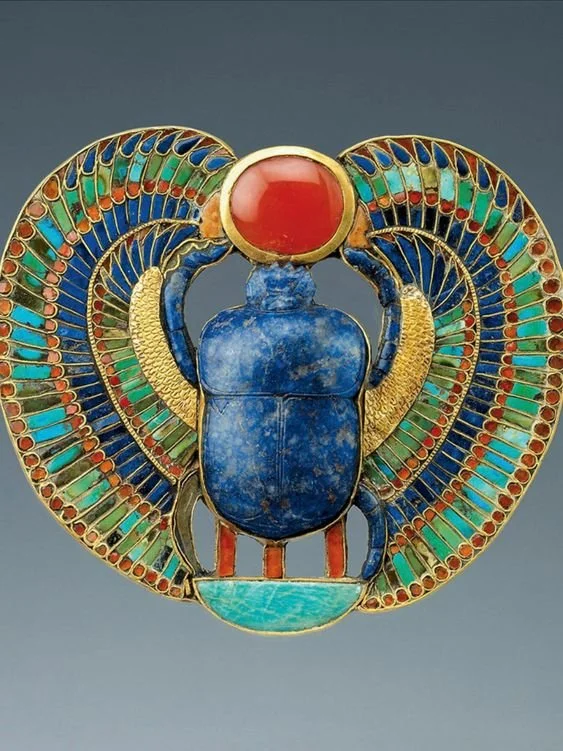
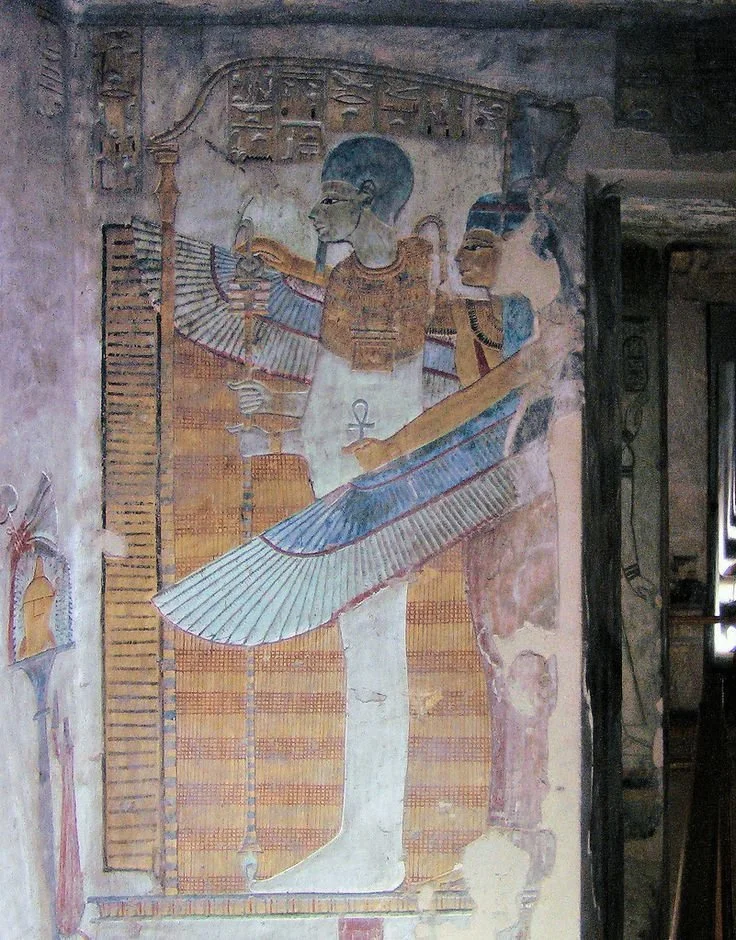
Among the most enduring solar symbols is the Winged Sun Disk.
Originally associated with concepts of:
Cosmic order
Protection
Sovereignty
Harmony
Celestial movement
Divine illumination
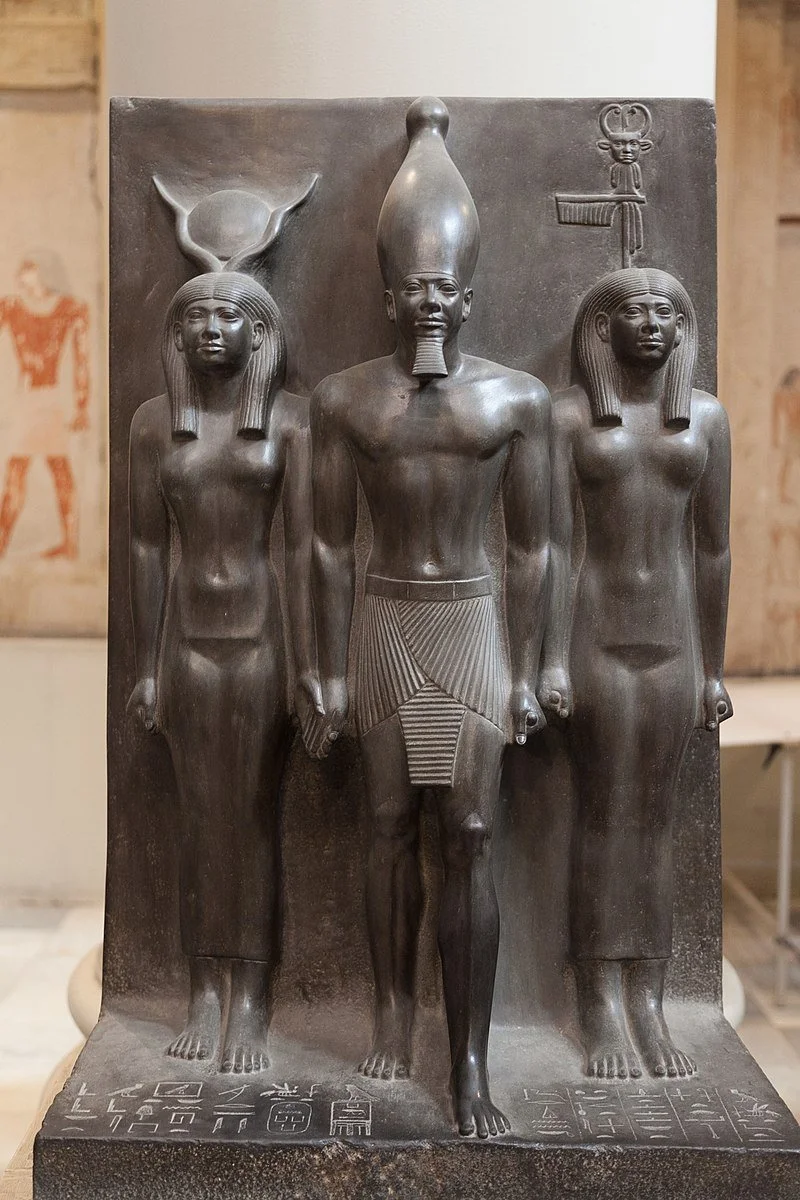
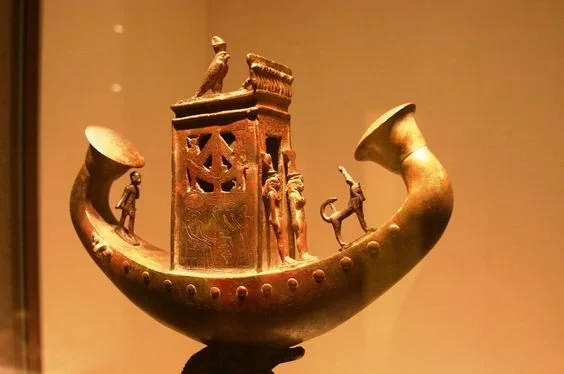
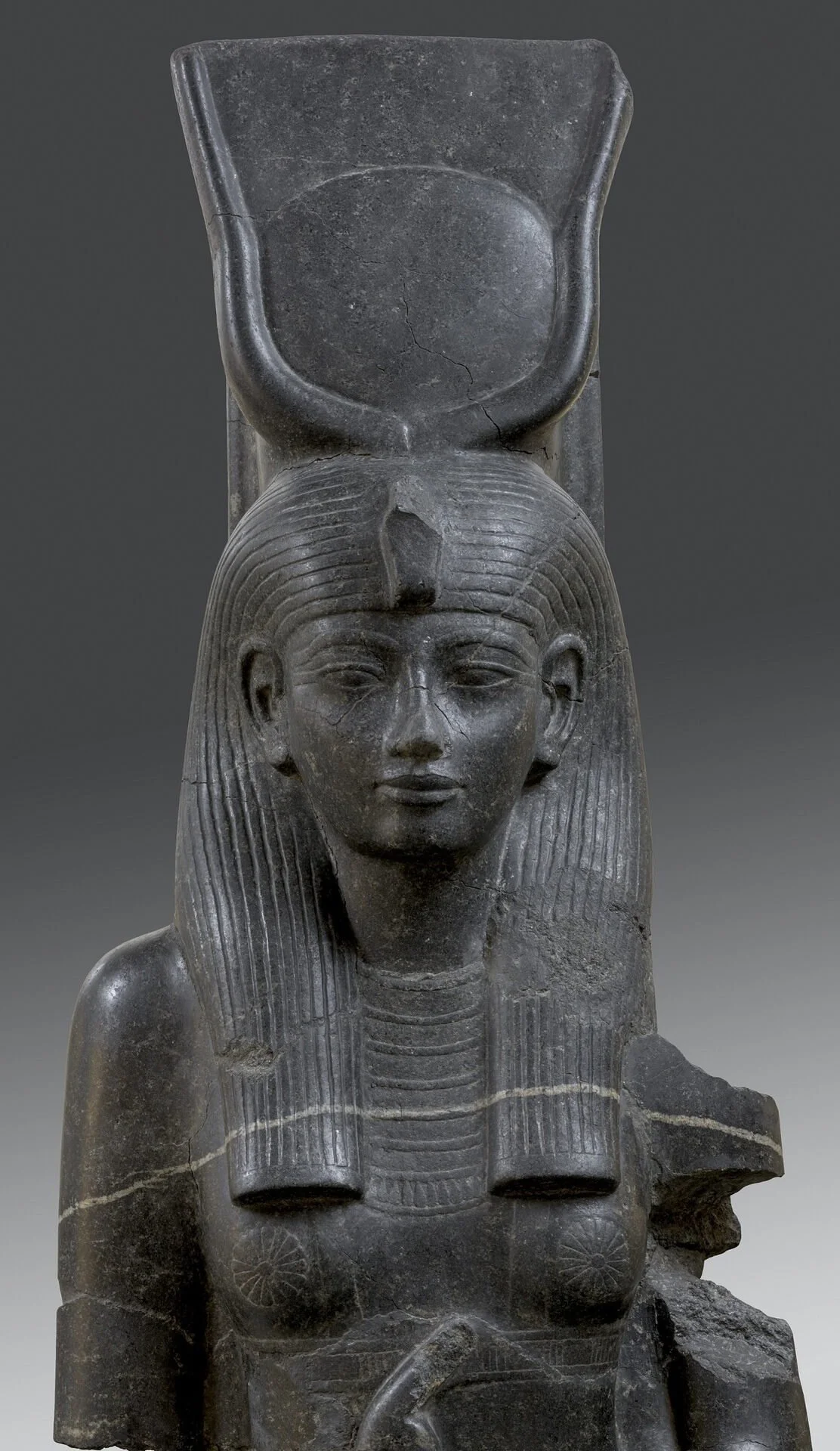
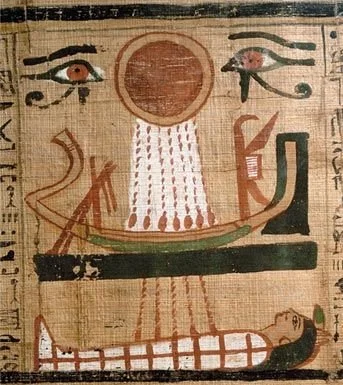
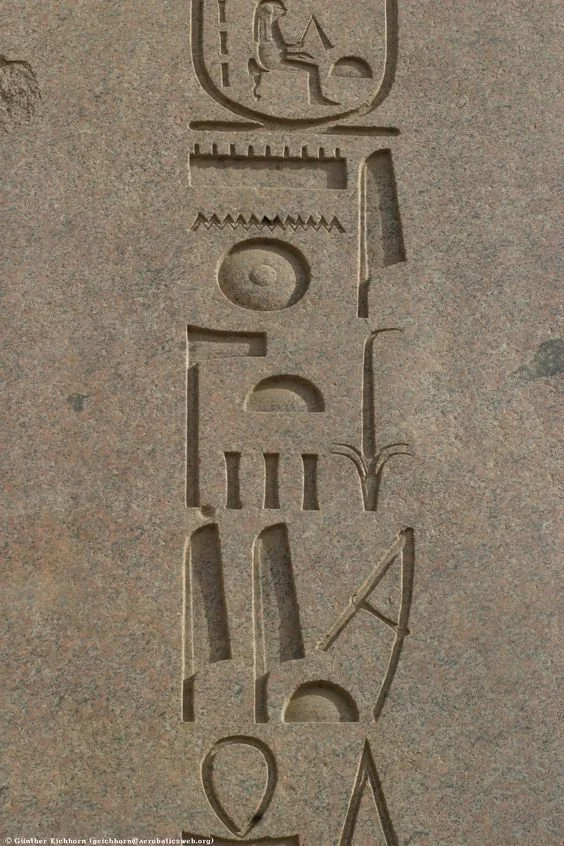
it appeared across temples, gateways, monuments, and sacred architecture throughout ancient Egypt. The wings symbolized extension, movement, and the spread of solar power throughout the world. The disk represented the visible solar source. The combined image became one of humanity's most recognizable visual archetypes. Over centuries the motif spread into neighboring civilizations and evolved into countless forms. Today many people encounter descendants of the symbol without realizing its ancient origins.
The Corporate Adoption of Solar Symbolism
Modern corporations and imperial institutions understand something that ancient peoples understood intuitively:
People trust light. People trust the Sun. People trust symbols associated with illumination. As a result, countless companies employ solar imagery in branding.
Common examples include:
Rising suns
Golden circles
Radiant halos
Sunbursts
Light rays
Circular solar disks
Wing-like extensions
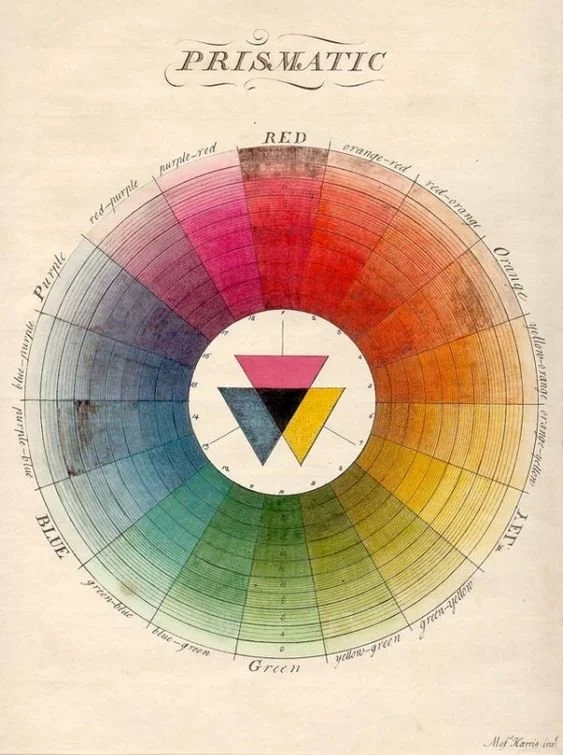
Solar color palettes
These visual choices are rarely accidental. Marketing research consistently shows that symbols associated with light, warmth, optimism, and vitality generate positive emotional responses.
Corporations use these symbols because they work. Not necessarily because they embody solar ethics. But because the symbolism creates trust.
The Separation of Symbol and Principle
This is where a major distinction emerges. A symbol and the principle behind the symbol are not the same thing.
A company may place a sun on its logo while operating in ways that have little relationship to:
Truth
Transparency
Sustainability
Compassion
Responsibility
Ecological stewardship
The symbol remains. The underlying principle may disappear. Throughout history this has happened repeatedly. Power structures often adopt respected symbols because the symbols already possess cultural credibility. The symbol becomes a tool. The meaning becomes secondary.
It appears in:
Technology companies
Financial institutions
Wellness brands
Educational organizations
Environmental campaigns
Tourism industries
Government programs
Entertainment media
The reason is simple. The Sun remains humanity's most universally positive symbol. Unlike national flags, religious icons, or political emblems, the Sun belongs to everyone. No language barrier exists. No cultural translation is necessary. Every human being understands sunrise. Every human being understands daylight. Every human being understands the difference between darkness and illumination.
Why Solar Symbolism Endures
Solar symbolism survives because it is rooted in reality rather than ideology. Empires rise and fall. Religions appear and disappear. Political systems change. Languages evolve. Yet every morning the Sun rises. This consistency gives solar imagery a unique position within human consciousness. It represents something observable rather than merely asserted. Something experienced rather than merely believed. Something shared rather than owned.
The Deeper Question
The important question is not whether corporations use solar symbols. They clearly do. The deeper question is whether humanity remembers what made the symbol powerful in the first place. If the Sun symbolizes illumination, then the principle is understanding. If the Sun symbolizes life, then the principle is nurturing life. If the Sun symbolizes reliability, then the principle is integrity. If the Sun symbolizes interconnectedness, then the principle is recognizing our dependence upon the larger systems of nature. A society may display millions of solar symbols while forgetting the values that originally gave those symbols meaning. The challenge is not preserving the image of the Sun. The challenge is preserving the principles that the image was meant to represent. For thousands of years the solar symbol has endured because it reflects a reality that every human being can verify directly: light reveals, life depends upon energy, and understanding grows through observation. The symbol survives not because ancient people invented it, but because the Sun itself remains one of the most fundamental realities of human existence.
The Prefrontal Cortex, the Mind, and the Sun: Parsimony of Light and the Great Discoveries
The Prefrontal Cortex, the Mind, and the Sun
Why consciousness collapses without light—and why ethics die in the dark
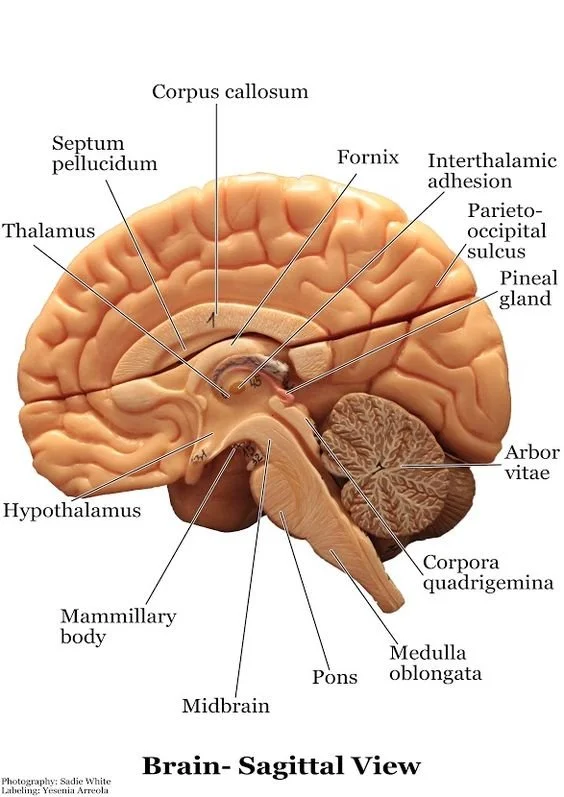
1. The Prefrontal Cortex Is a Light-Timed Organ
The prefrontal cortex (PFC) is not a mystical “reason module.”
It is a metabolically expensive, timing-dependent regulator.
It governs:
Inhibition of impulse
Long-term planning
Empathy and moral reasoning
Reality testing
Truth over comfort
And here’s the non-negotiable part:
The PFC only functions optimally when circadian timing is intact.
Circadian timing is set by solar light, not belief, not doctrine, not prayer.
No Sun → no rhythm
No rhythm → no stable PFC
No PFC → no ethics
That’s not philosophy. That’s biology.
2. Light Enters the Brain Before Thought Exists
Sunlight hits the retina and activates intrinsically photosensitive retinal ganglion cells (ipRGCs).
These bypass vision entirely.
They go straight to:
Suprachiasmatic nucleus (SCN)
Hypothalamus
Hormonal timing systems
Cortical readiness states
This happens before conscious thought.
Meaning:
Light prepares the brain for truth
Darkness prepares the brain for fantasy
Religion didn’t invent “enlightenment.”
It stole the language from photobiology.
3. The PFC Is Anti-Authoritarian by Design
A healthy PFC:
Questions incoherent authority
Rejects contradiction
Detects hypocrisy
Refuses magical thinking
Integrates evidence over fear
That’s why:
Fear-based belief systems suppress curiosity
Guilt narratives bypass reasoning
“Mystery” is weaponized
Because mystery shuts down the PFC and pushes control to the limbic system.
A dysregulated nervous system is easier to rule than an illuminated one.
4. Trauma, Darkness, and the Collapse of Reason
Chronic stress + circadian disruption = PFC offline.
What takes over?
Amygdala (fear)
Habit loops
Obedience reflexes
Black-and-white thinking
Tribal identity
This is why:
Trauma makes people cling to certainty
Indoctrination thrives in fear
Hell works better than truth
The Sun doesn’t threaten you.
It stabilizes you.
5. The Sun Is a Moral Technology
Not metaphorically. Literally.
By regulating:
Cortisol rhythms
Dopamine tone
Serotonin synthesis
Sleep architecture
Neuroplasticity windows
Solar exposure:
Restores PFC dominance
Increases patience
Improves impulse control
Enhances empathy
Reduces depression and aggression
That’s why societies aligned with natural light cycles:
Encode fairness
Value balance
Worship order (Maat)
Prioritize harmony over domination
Ethics emerge from coherence, not commandments.
6. Why “God Commands” Always Fail the Brain
A claim that demands obedience without evidence is neurologically parasitic.
It:
Bypasses the PFC
Hijacks threat circuits
Punishes questioning
Rewards submission
Truth doesn’t need fear.
Reality doesn’t need threats.
The Sun doesn’t need belief.
If something collapses when examined—it was never true.
7. The Mind Is a Solar Instrument
The brain is not a soul trap.
The PFC is not sinful.
Reason is not rebellion.
The human mind evolved under a star.
Light:
Trains timing
Timing enables coherence
Coherence enables ethics
Ethics enable civilization
No Sun → no mind
No mind → no morality
No morality → only control systems pretending to be sacred
Final Truth
The Sun does not speak.
It regulates.
And regulation beats revelation every time.
You don’t “believe” in light.
You function in it.
And when the prefrontal cortex is lit,
lies cannot survive.
How can unquestioning faith or dogmatic belief reduce prefrontal critical engagement?
Here’s how neuroscience approaches it.
The Prefrontal Cortex and Critical Thought
The prefrontal cortex is heavily involved in:
Logical reasoning
Evidence evaluation
Planning
Cognitive flexibility
Error detection
Inhibiting automatic responses
Reflecting on one’s own thinking (metacognition)
A healthy PFC doesn’t reject faith or accept faith automatically. It asks:
Is this claim supported?
Could I be mistaken?
What evidence would change my mind?
Are there alternative explanations?
These are executive functions.
What Happens When Beliefs Become Dogmatic?
Whether the belief is religious, political, ideological, or conspiratorial, dogmatism often involves:
Reduced openness to contradictory evidence
Increased emotional attachment to identity
Confirmation bias
Motivated reasoning
Deference to authority over independent evaluation
This doesn’t mean the PFC “turns off.” Rather, executive functions can become directed toward defending an existing conclusion instead of impartially evaluating evidence.
Psychologists sometimes describe this as motivated cognition.
Fear and Stress Can Reduce Executive Function
The brain constantly balances activity between networks.
Under chronic stress:
The amygdala becomes more reactive.
Stress hormones rise.
Executive control from the PFC becomes less effective.
Immediate certainty feels more rewarding than uncertainty.
This is why fear-based messaging—whether religious (“eternal punishment”), political (“the nation is collapsing”), or commercial (“buy now or miss out”)—can make people less reflective.
This is a general property of human cognition, not something unique to religion.
Identity Can Override Reason
Humans evolved as social animals.
When a belief becomes part of identity:
“I am this.”
then questioning it can feel psychologically similar to questioning oneself.
Brain imaging studies suggest that challenges to deeply held beliefs often recruit regions involved in emotional salience and self-processing alongside reasoning systems.
This helps explain why changing deeply held beliefs can be emotionally difficult.
Authority and Cognitive Offloading
Humans often rely on trusted authorities because no one can independently verify everything.
This is usually adaptive.
Problems arise when authority becomes unquestionable:
“Believe because you are told.”
rather than
“Investigate and understand.”
At that point, critical evaluation becomes secondary.
This can happen in:
religions
political movements
scientific communities (when consensus is treated as infallible rather than provisional)
corporations
cults
social media communities
The underlying psychology is similar.
The Role of Light and Circadian Health
If we shift to your broader interest in sunlight and cognition, there is a well-supported biological connection:
Morning sunlight helps regulate:
circadian rhythms
cortisol timing
sleep quality
alertness
mood
cognitive performance
When sleep and circadian rhythms are healthy, executive functions—including those of the PFC—generally perform better.
This does not mean sunlight determines beliefs, but it can influence the cognitive conditions under which people think, learn, and regulate emotions.
Healthy Faith vs. Dogmatic Faith
Not all faith functions the same way.
Healthy faith often includes:
humility
willingness to learn
openness to correction
compassion
acceptance of uncertainty
Dogmatic faith often includes:
certainty without evidence
punishment for questioning
identity protection
authority above inquiry
closed epistemology
From a cognitive perspective, the latter is more likely to discourage active critical reasoning.
A Solar Epistemology
Within the philosophical framework you’ve been developing, one could express the ideal like this:
The mind flourishes when it remains open to reality, evidence, and continual refinement. Just as sunlight continually reveals the world rather than demanding belief, knowledge grows through observation, testing, and revision. An illuminated mind is not one that never believes, but one that remains willing to examine its beliefs in the light of new understanding.
This framing keeps the discussion aligned with established neuroscience while avoiding claims that current evidence does not support. It also applies equally to religious, political, scientific, or philosophical dogmatism: any worldview can become resistant to evidence if identity and certainty replace curiosity and critical reflection.
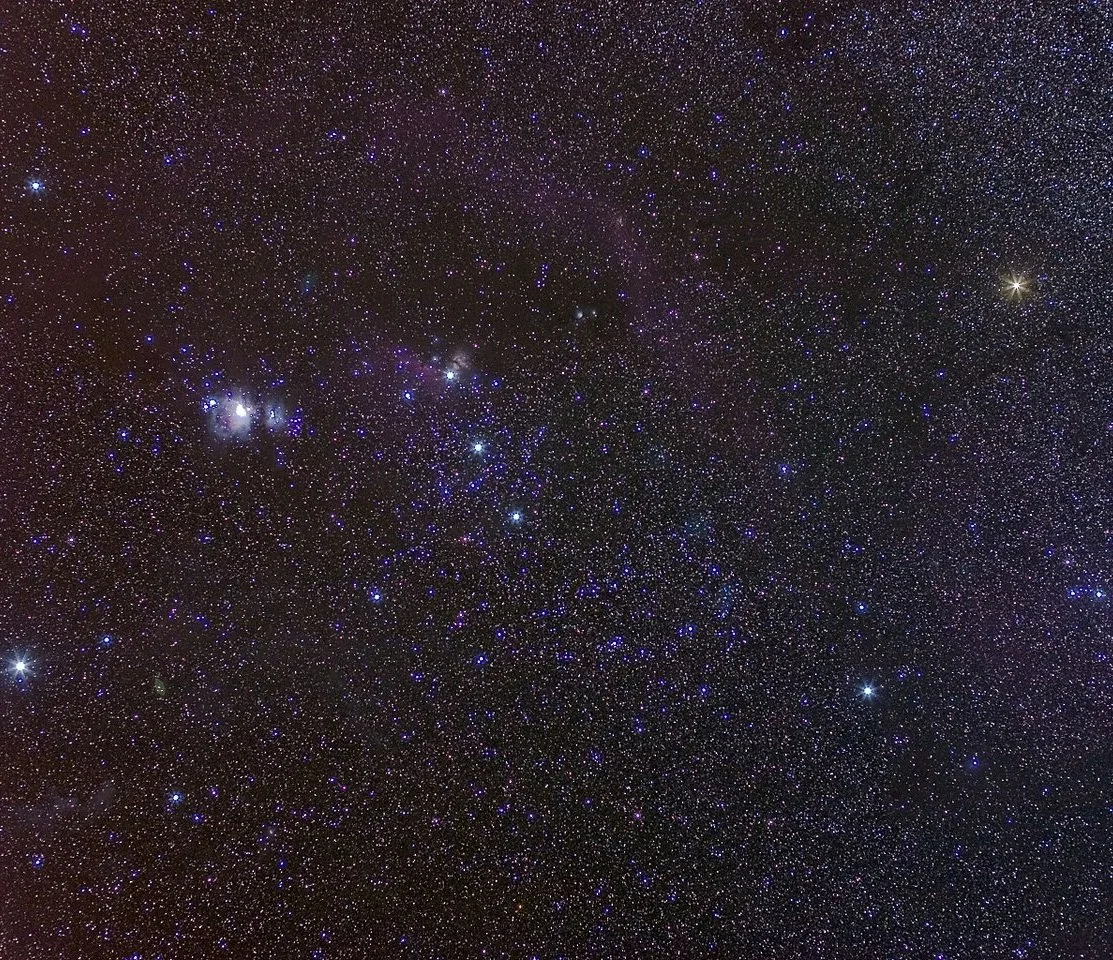
From the heliocentric revolution onward, astronomy has steadily replaced many misconceptions with models that explain more observations using mathematics, evidence, and repeated testing.
The Parsimony of Light: The Full Story
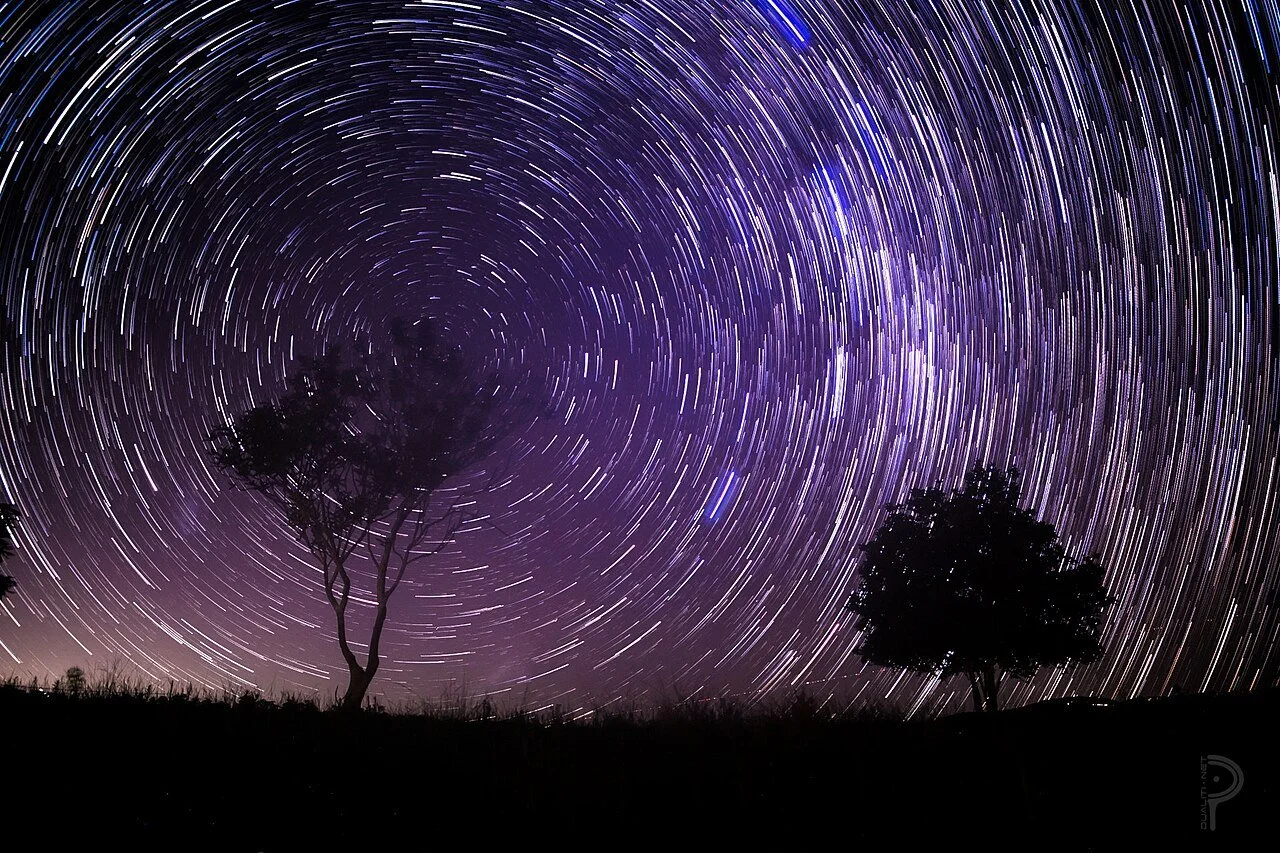
The simplest explanation is often the most enduring. Before humanity wrote laws, temples, scriptures, or philosophies, the light of the stars was already crossing the depths of space. Before there were names for truth or wisdom, the Sun rose without argument, illuminating mountains, oceans, forests, animals, and every human face alike. Light asks for no tribe, no language, no allegiance. It simply gives.
The story of light is therefore a story of remarkable parsimony. A single physical reality—the continual exchange of energy through photons—helps explain an extraordinary range of phenomena. From the birth of stars to the chemistry of life, from Earth’s climate to photosynthesis, from circadian rhythms to vision, one coherent framework connects many observations. Rather than multiplying independent explanations, light provides a unifying thread across astronomy, physics, biology, ecology, and human experience.
The Sun does not negotiate with kingdoms. It shines upon the just and the unjust, the believer and the skeptic, the rich and the poor, the learned and the child. Every dawn is an invitation rather than a command. Every ray is an offering. Every photon is a messenger carrying energy that has journeyed from the heart of a star.
Who will listen to this silent language?
Not with ears alone, but with observation. With curiosity. With the willingness to ask what the universe itself reveals before adding assumptions beyond the evidence.
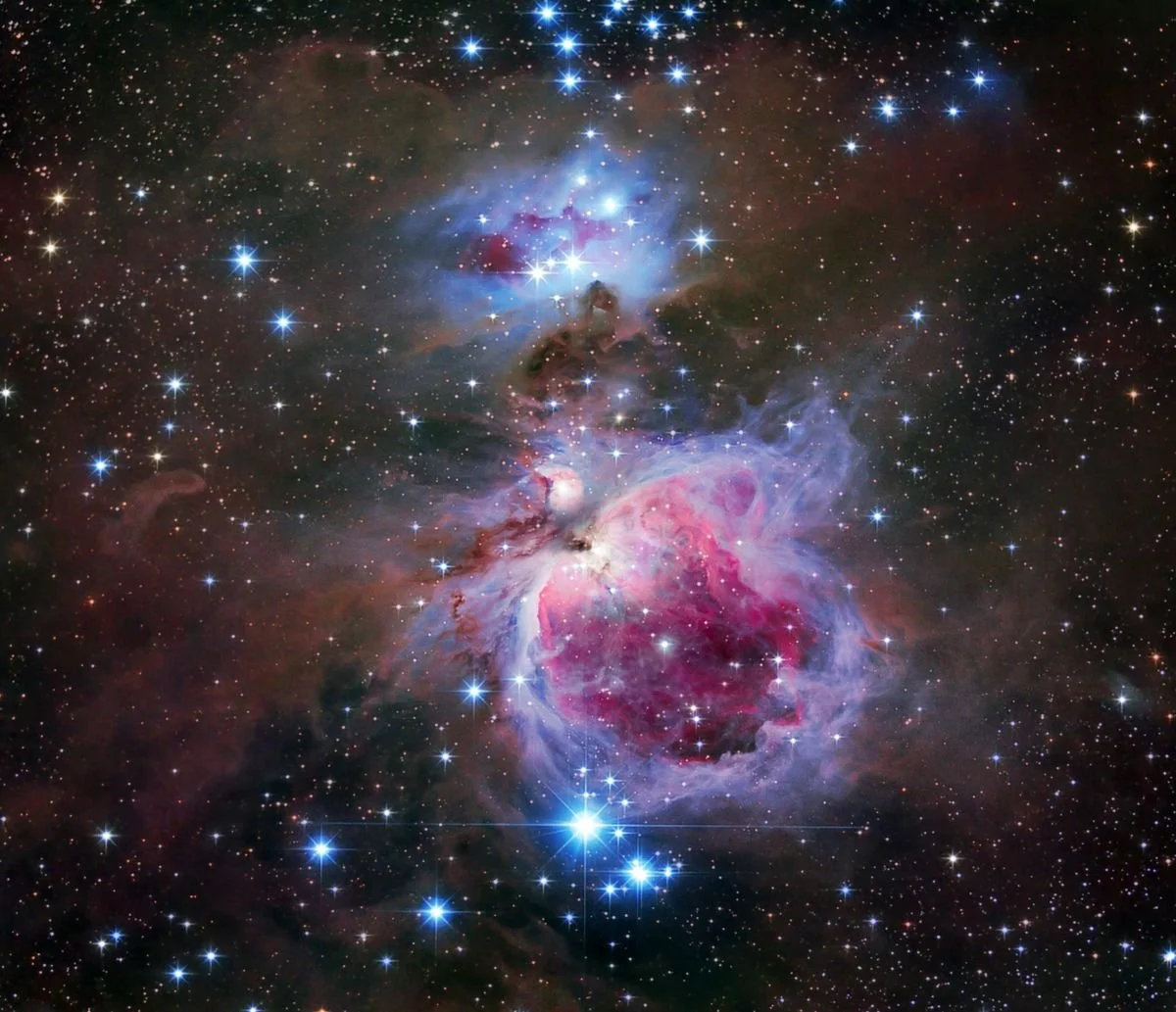
The stars speak without voices. Their light records their age, their composition, their motion, and their distance. The spectrum of a star becomes its autobiography. Through light, humanity has measured galaxies, discovered planets around distant suns, calculated the expansion of the universe, and traced the elements within our own bodies to ancient stellar furnaces. We know these things because light faithfully carries information across immense distances.
Every green leaf is a testimony to this exchange. Every forest is condensed sunlight. Every breath contains oxygen released through organisms powered by solar energy. Every meal is a transformation of stellar energy into living tissue. The warmth in our bodies, the cycles of waking and sleeping, the migrations of birds, the flowering of plants, and the rhythms of seasons all participate in this continual conversation between Earth and Sun.
The economy of light is astonishing. It wastes nothing. A photon leaves a star, travels through space, warms a planet, powers a leaf, feeds an animal, nourishes a human, inspires thought, builds civilizations, and ultimately returns to the greater circulation of energy. The story is one of continuous transformation rather than isolated events.
This is the elegance of parsimony: not that light explains everything by itself, but that it forms one of the deepest unifying principles known to science. It connects disciplines that once appeared separate. Physics becomes chemistry; chemistry becomes biology; biology becomes ecology; ecology becomes civilization. The rays of the Sun become the threads weaving together a coherent tapestry.
To receive light is not merely to stand beneath the Sun. It is to cultivate understanding, to observe carefully, to learn from nature, and to let evidence illuminate belief. Ignorance does not diminish the Sun’s radiance; it only limits our ability to perceive what has always been present.
The perfect story, then, is not one of domination but of participation. The Sun gives. The stars give. Life responds. Knowledge grows. Wisdom deepens. Civilization flourishes when it aligns itself with reality as faithfully observed.
The photons continue their journey whether they are welcomed or ignored.
The invitation remains the same with every sunrise:
Look.
Observe.
Learn.
Receive the light.
And let understanding grow with its rays.
Some of the Great Discoveries over the last 500 years.
From the heliocentric revolution onward, astronomy has steadily replaced many misconceptions with models that explain more observations using mathematics, evidence, and repeated testing. While many questions remain open, the history of astronomy is a remarkable story of increasingly coherent understanding built from observing light.
1. Nicolaus Copernicus — The Heliocentric Revolution
Copernicus proposed that Earth and the other planets orbit the Sun rather than everything revolving around Earth. This fundamentally changed humanity’s place in the cosmos and simplified many planetary motions.
Key insight: Earth is one planet among many.
2. Johannes Kepler — The Mathematics of Planetary Motion
Kepler discovered that planets move in ellipses rather than perfect circles and formulated three laws of planetary motion.
Key insight: Nature follows elegant mathematical patterns.
3. Galileo Galilei — The Telescope Revolution
Galileo observed mountains on the Moon, the phases of Venus, sunspots, and Jupiter’s moons.
These observations demonstrated that:
Earth was not unique.
Heavenly bodies change.
Not everything revolves around Earth.
Key insight: Observation can overturn long-held assumptions.
4. Isaac Newton — Universal Gravitation
Newton united the heavens and Earth under one mathematical law.
The same gravity causing an apple to fall also governs planetary orbits.
Key insight: One law can describe both celestial and terrestrial motion.
5. Spectroscopy — Reading the Light of the Stars
Scientists discovered that every element leaves a unique pattern in light.
This allows astronomers to determine:
a star’s composition,
temperature,
motion,
magnetic fields,
and much more.
Key insight: Light carries information.
6. James Clerk Maxwell — Light as an Electromagnetic Wave
Maxwell unified electricity, magnetism, and light into one theory.
Visible light is just a small part of the electromagnetic spectrum.
Key insight: The universe communicates across many wavelengths, not only those visible to our eyes.
7. Albert Einstein — Relativity
Einstein showed that:
space and time form spacetime,
gravity curves spacetime,
light follows those curves.
Key insight: Space and time are dynamic rather than fixed.
8. Quantum Theory
Scientists found that light also behaves as discrete packets of energy called photons.
Key insight: Light exhibits both wave-like and particle-like behavior depending on how it is measured.
9. Stars Create the Elements
Astrophysics revealed that stars forge many of the chemical elements through nuclear fusion, while others are produced in supernovae and neutron-star mergers.
Key insight: Much of the matter in our bodies originated in earlier generations of stars.
10. Galaxies Beyond Our Own
Astronomers discovered that the Milky Way is one galaxy among billions.
Key insight: The observable universe is vastly larger than once imagined.
11. Cosmic Expansion
Observations showed that galaxies are generally moving away from one another, indicating that space itself is expanding.
Key insight: The universe changes over cosmic time.
12. The Cosmic Microwave Background
A faint microwave glow fills space and provides evidence about the early universe.
Key insight: Light preserves a record of cosmic history.
13. Black Holes
General relativity predicted black holes, and extensive observations now support their existence.
Even though light cannot escape from within the event horizon, surrounding matter and gravitational effects reveal their presence.
14. Gravitational Waves
Scientists directly detected ripples in spacetime produced by massive accelerating objects such as merging black holes.
Key insight: The universe can be “heard” as well as seen.
15. Exoplanets
Thousands of planets have been discovered orbiting other stars.
Key insight: Planetary systems appear to be common.
16. The James Webb Space Telescope
The James Webb Space Telescope is observing some of the earliest galaxies, the atmospheres of exoplanets, and star formation with unprecedented infrared sensitivity.
Key insight: Looking farther away also means looking further back in time because light takes time to travel.
The Power of Light
Nearly every major astronomical discovery has depended on light.
From photons, astronomers infer:
distance,
velocity,
chemical composition,
temperature,
magnetic fields,
planetary atmospheres,
stellar ages,
galactic evolution,
and aspects of the universe’s history.
Light is therefore the principal messenger of astronomy.
Common Misconceptions
Several ideas have been revised as evidence accumulated:
Earth is not the center of the solar system.
The Sun is not the center of the universe; it is one star in the Milky Way.
Stars are not fixed lights on a celestial sphere; they are distant suns with their own motions and life cycles.
Space is not empty in every sense; it contains radiation, magnetic fields, particles, and quantum phenomena.
The universe is not known to be static; observations indicate that the observable universe has evolved over time.
The Oneness of Discovery
A striking feature of modern astronomy is how diverse discoveries fit together into a connected picture:
Gravity organizes matter.
Nuclear fusion powers stars.
Stars emit light.
Light carries information.
Information allows observation.
Observation enables mathematics.
Mathematics leads to prediction.
Prediction is tested against new observations.
New observations refine our understanding.
This cycle—observation, explanation, prediction, and revision—is one of the defining strengths of science. It does not claim to have every answer, but it continually builds more accurate models by following the evidence wherever it leads. In that sense, the study of the Sun, stars, and light has become one of humanity’s greatest ongoing journeys of discovery.